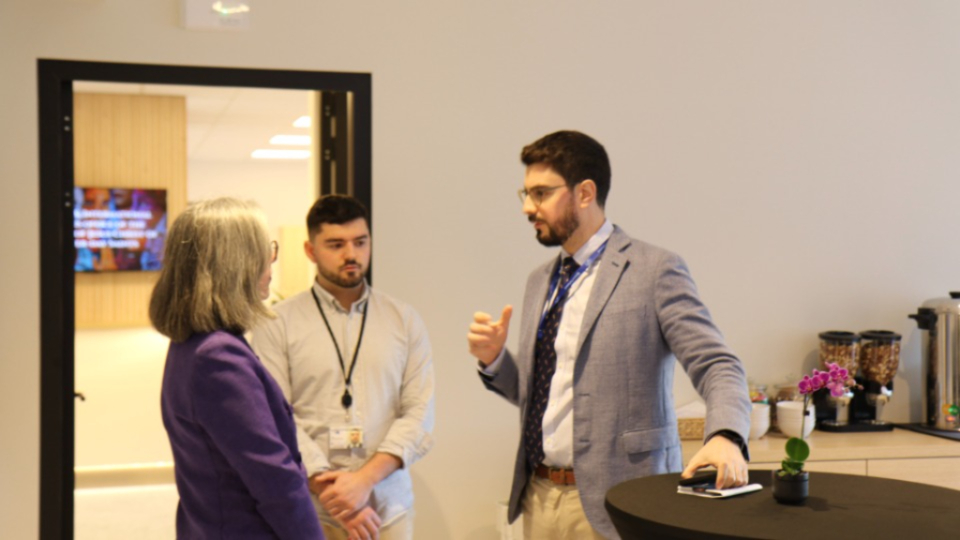
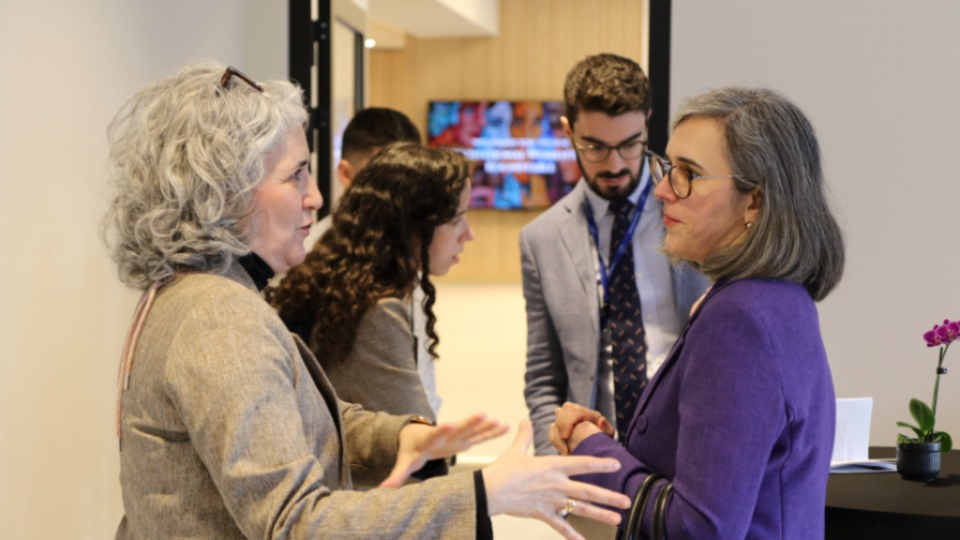
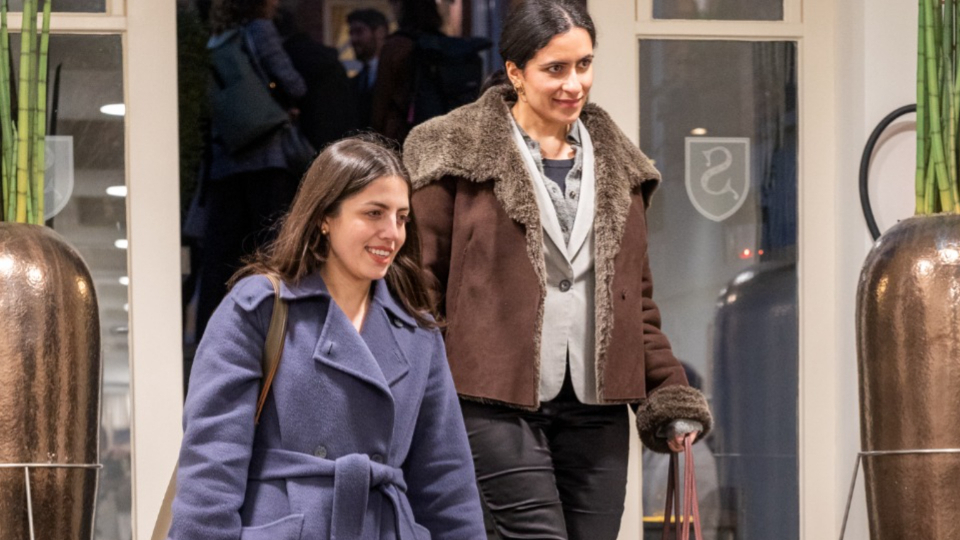
The EU & International Affairs Office of The Church of Jesus Christ of Latter-day Saints marked International Women’s Day in Brussels, Belgium, on Monday, March 2, 2026, with two separate events: an afternoon roundtable on women’s rights and freedom of religion or belief, followed by a dinner with guests from the diplomatic and civic community.
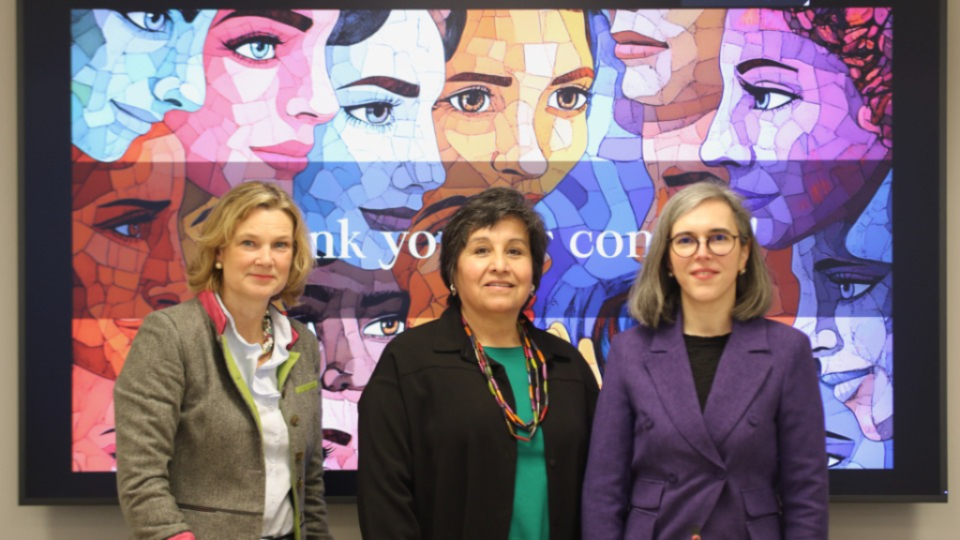
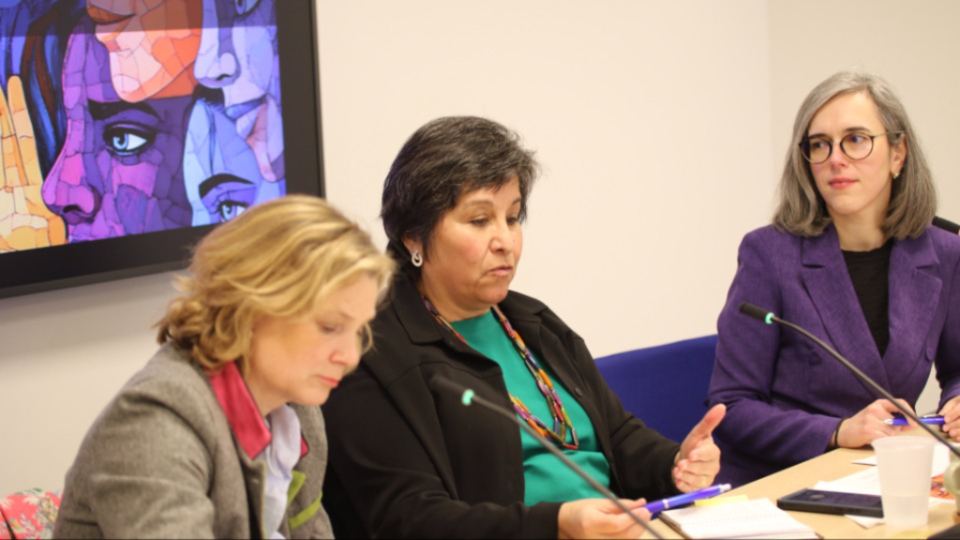
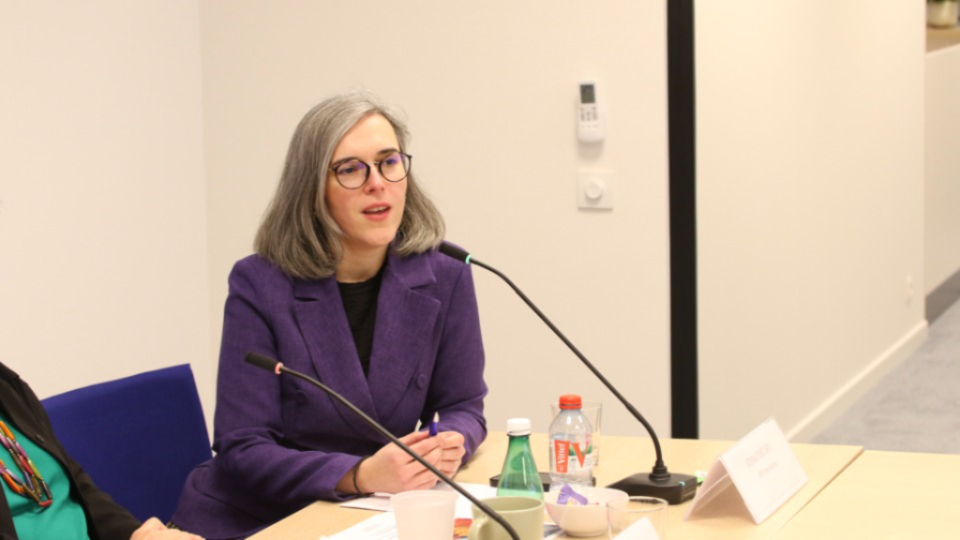
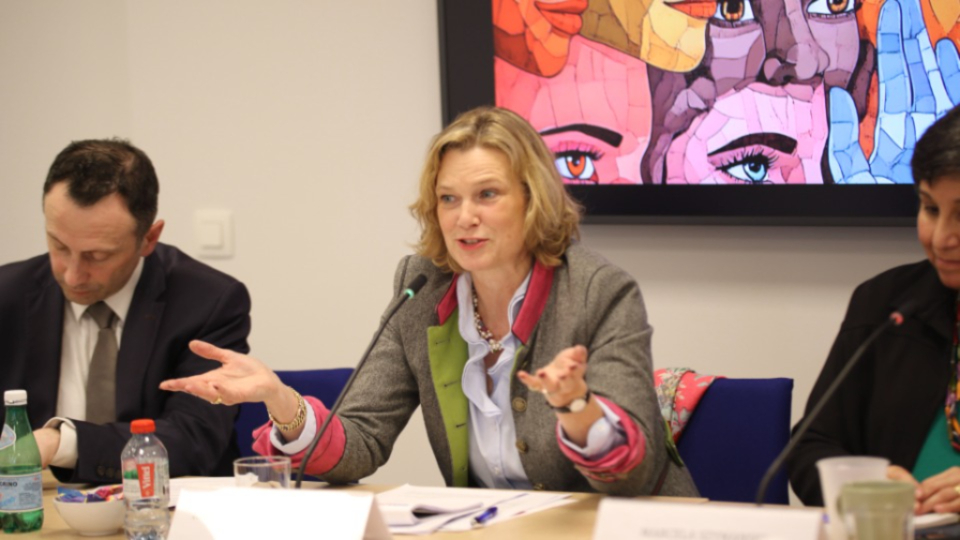
The afternoon roundtable, titled “Rights, Justice, Action: The Role of Freedom of Religion or Belief in Women’s Lives,” brought together three experts to examine how religious liberty shapes women’s experiences globally as a protective force.
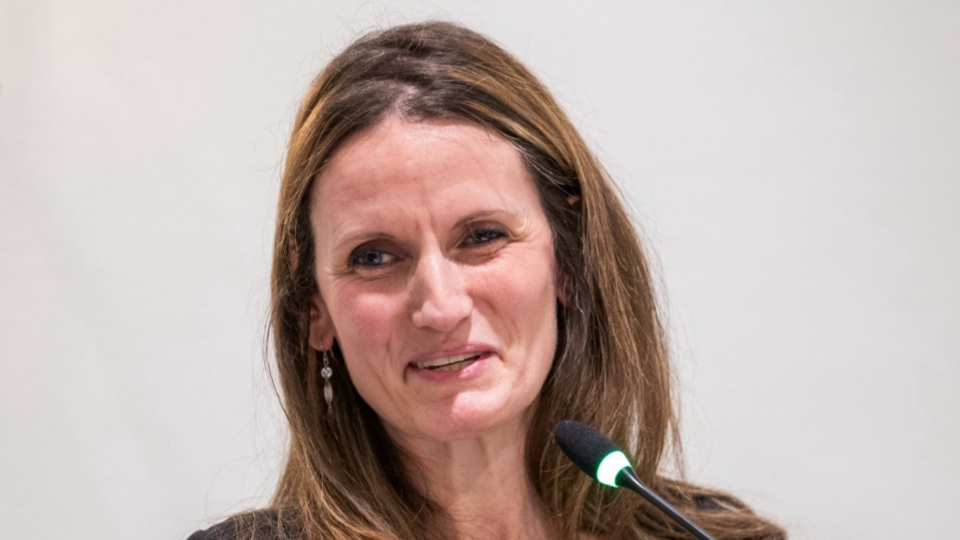
Katharina von Schnurbein, the European Commission’s coordinator on combating anti-Semitism and fostering Jewish life, drew from biblical and contemporary examples to illustrate women’s central role in transmitting religious traditions. She recounted the story of Queen Esther, whose courage saved Persian Jews 2,500 years ago. Von Schnurbein also emphasized how “religious belief is really transmitted by the mother” in many traditions.
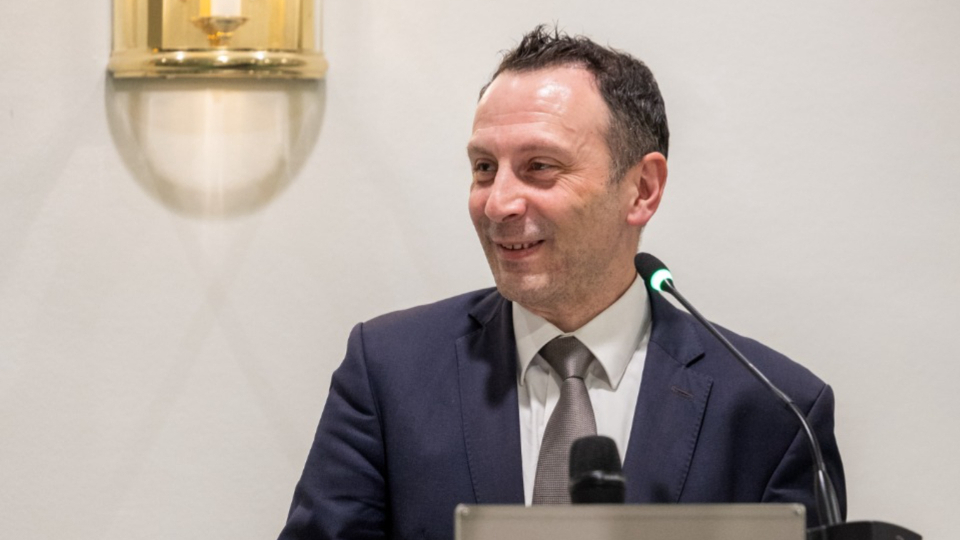
Francesco Di Lillo, director of the EU & International Affairs Office, highlighted the dual nature of religious freedom for women.
“When freedom of religion or belief is restricted by law, by social pressure or by discrimination, women and girls may lose the ability to make decisions about their own conscience,” he explained, noting that some women also face rights violations that are wrongly justified in the name of religion.
The discussion addressed situations where women and girls face coercion and discrimination linked to religion. Adina Portaru, senior counsel at ADF International, cited documented reports from Pakistan indicating at least 421 cases of forced faith conversions and marriages between 2021 and 2024. According to the figures presented, 71% of reported victims were minors, including 22% under age 14.
“These are children who should be playing around, should be going to school, should be enjoying their childhood, and still they’re kidnapped and they’re forcibly converted,” Portaru said, urging continued attention to the protection of minors and effective legal safeguards for vulnerable communities.
- Brussels-Article
- Brussels-Article
- Brussels-Article
- Brussels-Article
- Brussels-Article
- Brussels-Article
- Brussels-Article
| Temple Square is always beautiful in the springtime. Gardeners work to prepare the ground for General Conference. © 2012 Intellectual Reserve, Inc. All rights reserved. | 1 / 2 |
Marcela Szymanski, head of international advocacy at Aid to the Church in Need, offered broader context from her work editing global religious freedom reports. She described a range of pressures that can erode freedom of religion or belief — including violent extremism, authoritarian governance, ideological polarization and organized crime — and noted that women often experience the consequences most acutely.
“In society, and not only in the Global South, women are expected to carry on with the moral education of the next generations,” Szymanski observed, noting that 85% of single-parent households in the EU are headed by women, with 40% at risk of poverty.
The speakers proposed concrete solutions, including leveraging economic tools like the EU’s Generalised Scheme of Preferences Plus trade scheme to pressure countries with poor human rights records and reappointing the EU Special Envoy for Freedom of Religion or Belief, a position that has been vacant for four years.
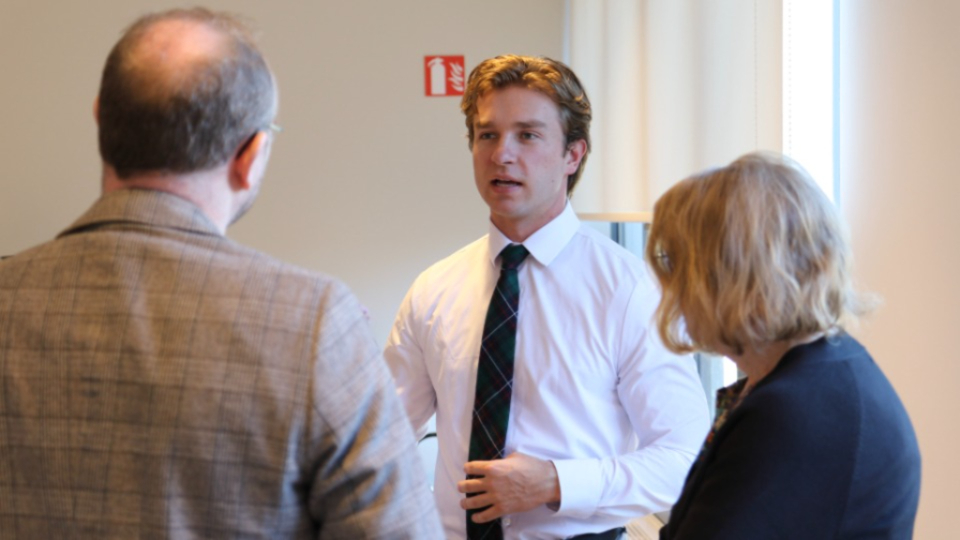
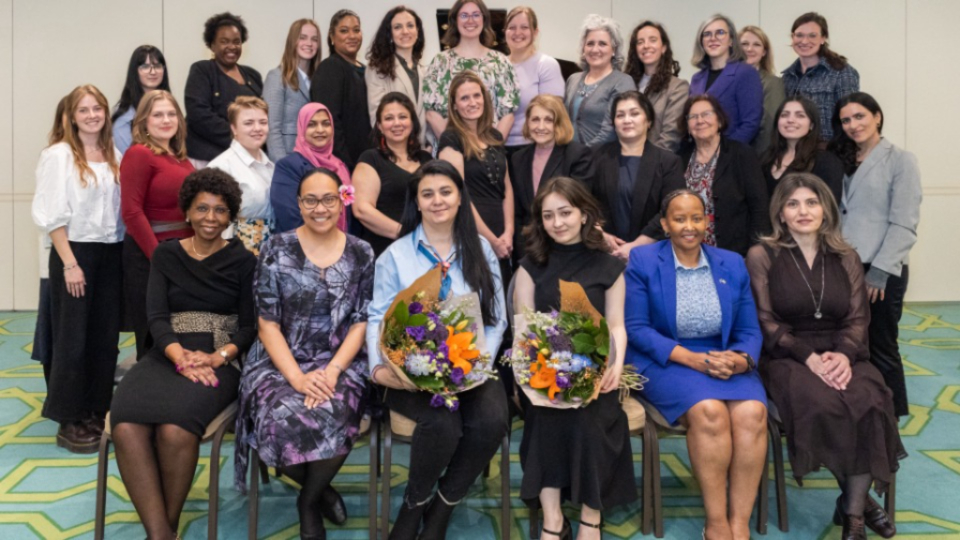
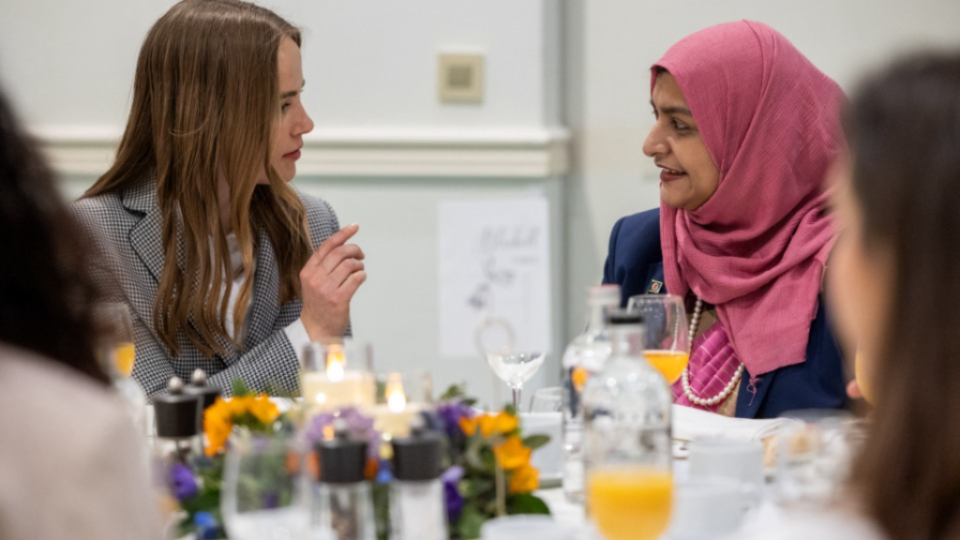
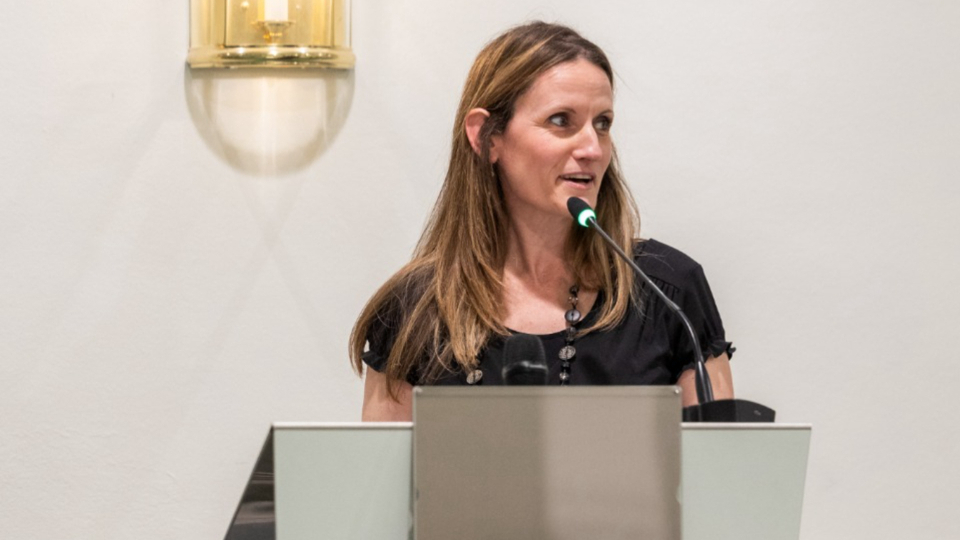
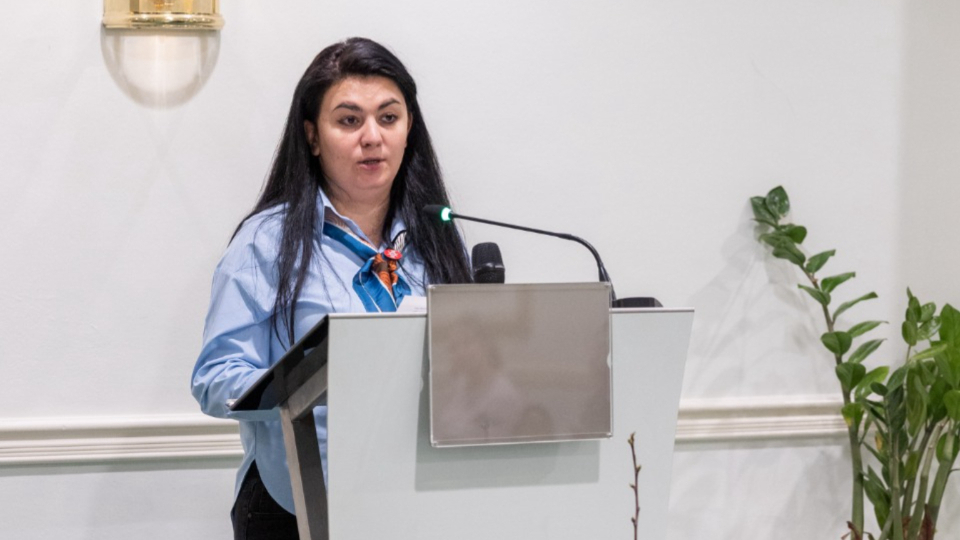
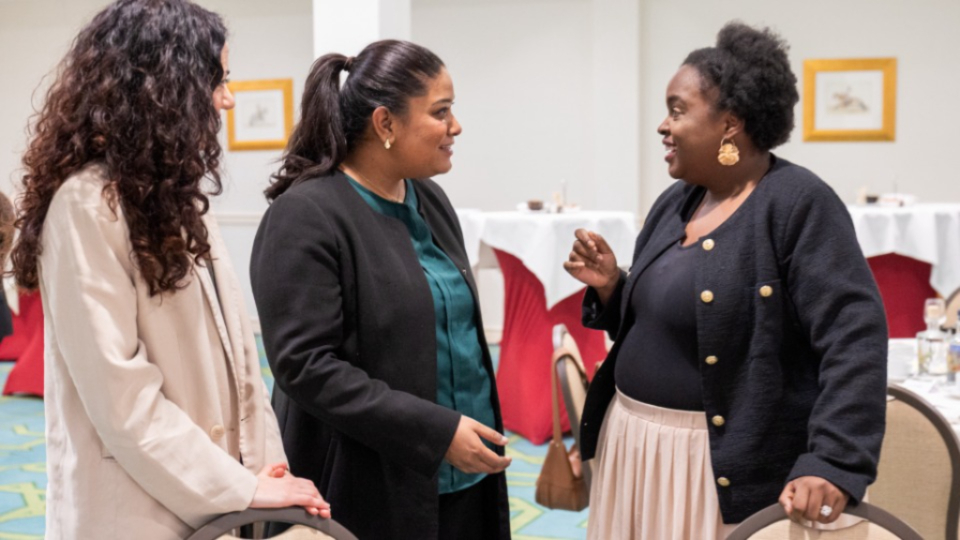
In the evening, the office hosted a separate dinner as part of the International Women’s Day observance. Dr. Maria-Georgiana Teodorescu, a member of the European Parliament and criminal lawyer from Romania, spoke about the importance of freedom of religion or belief in women’s lives and the ways such freedoms can support women as they serve their communities and pursue their aspirations.
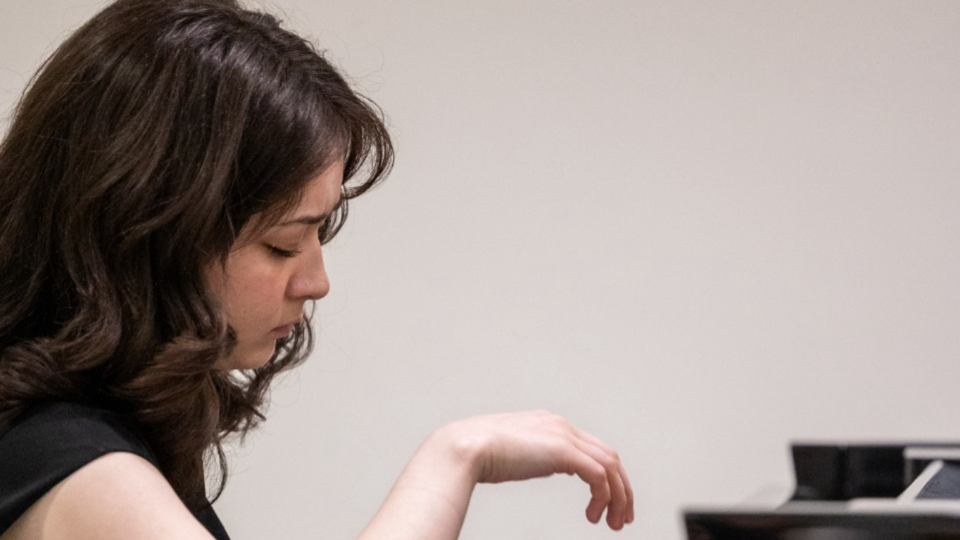
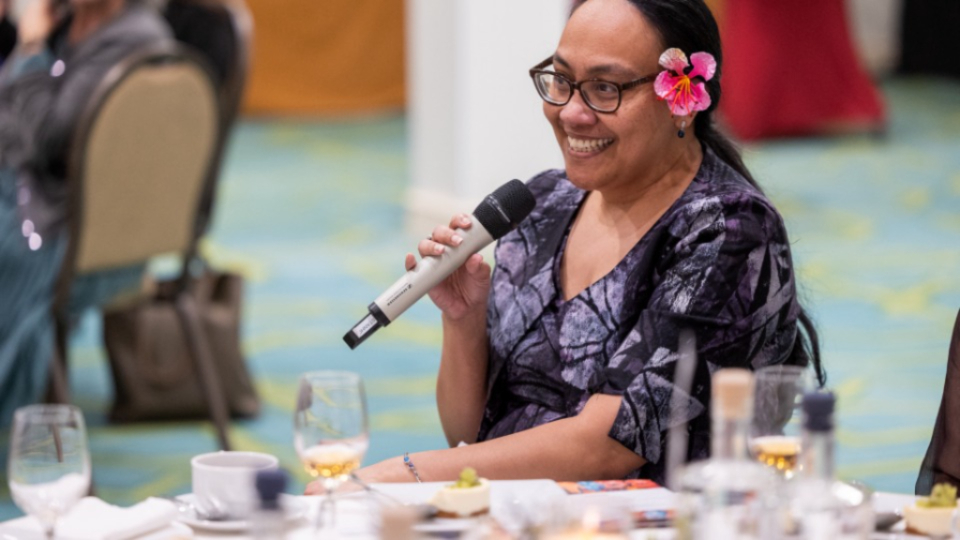
The program included a performance by award-winning pianist Jannat Huseinzoda, featuring original, Tajik and classical compositions. Following Teodorescu’s remarks, guests — including members of the diplomatic community — posed questions, leading to a wide-ranging conversation on the role of faith and values in shaping individuals and communities.
- Brussels-Article
- Brussels-Article
- Brussels-Article
- Brussels-Article-
- Brussels-Article-
- Brussels-Article-
- Brussels-Article
- Brussels-Article-
- Brussels-Article
- Brussels-Article
- Brussels-Article-
- Brussels-Article-
| Temple Square is always beautiful in the springtime. Gardeners work to prepare the ground for General Conference. © 2012 Intellectual Reserve, Inc. All rights reserved. | 1 / 2 |
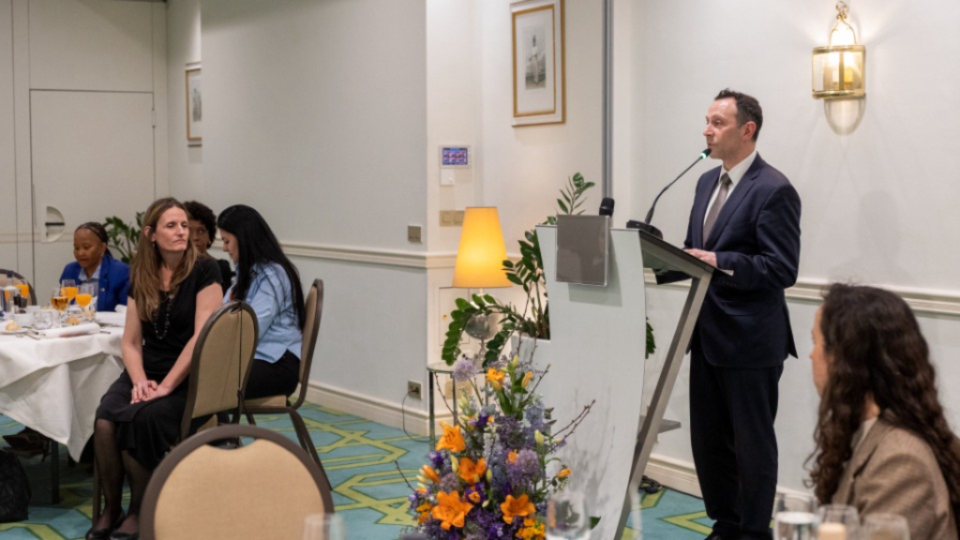
The themes of both events were reflected in remarks by Di Lillo, who opened the dinner by saying, “When women and girls are able to live according to conscience — to believe or not believe, to worship, to serve, to speak — everyone is better off: families, societies and institutions alike.”
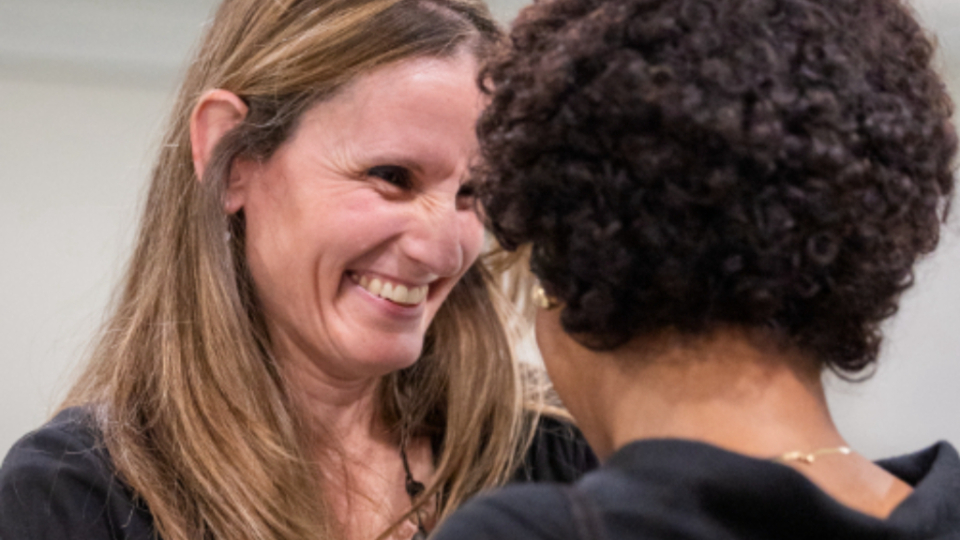
“The roundtable and our dinner event brought such a sense of togetherness. I truly felt the sisterhood from the Father of us all,” Sister Donetta Bowers shared, who serves as a government relations representative in the Church’s Brussels office with her husband, Elder Russell Bowers.
These events underscored the Church’s ongoing commitment to addressing complex human rights challenges through informed dialogue and collaborative action.