For half a century, Intermountain Health has been a pillar of healthcare in the American West. Its legacy began with a significant act of community service by The Church of Jesus Christ of Latter-day Saints on April 1, 1975.
“The state of Utah and its people are grateful for the generosity The Church of Jesus Christ of Latter-day Saints demonstrated in gifting Intermountain [Health] to the community in 1975,” said Utah Gov. Spencer Cox in a proclamation issued in honor of the 50th anniversary of the Church giving away its hospital system. “[We acknowledge] the Church’s benevolent influence on everyone Intermountain has served since then.”
First, some context. The Church’s interest in healthcare dates to the 19th century. For example, recognizing the need for improved medical care, Brigham Young, then the president of the Church, encouraged women to pursue medical degrees as early as 1874. These trained women returned to Utah, focusing on obstetrics and the care of women and infants. Under the leadership of Eliza R. Snow, the Relief Society spearheaded fundraising efforts, which led to the 1882 dedication of the Deseret Hospital, staffed primarily by female physicians.
| Temple Square is always beautiful in the springtime. Gardeners work to prepare the ground for General Conference. © 2012 Intellectual Reserve, Inc. All rights reserved. | 1 / 2 |
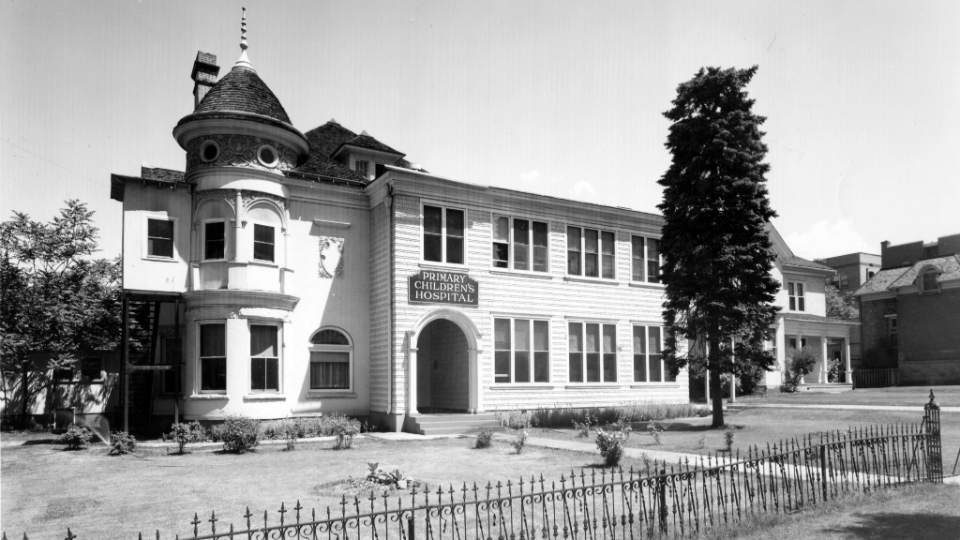
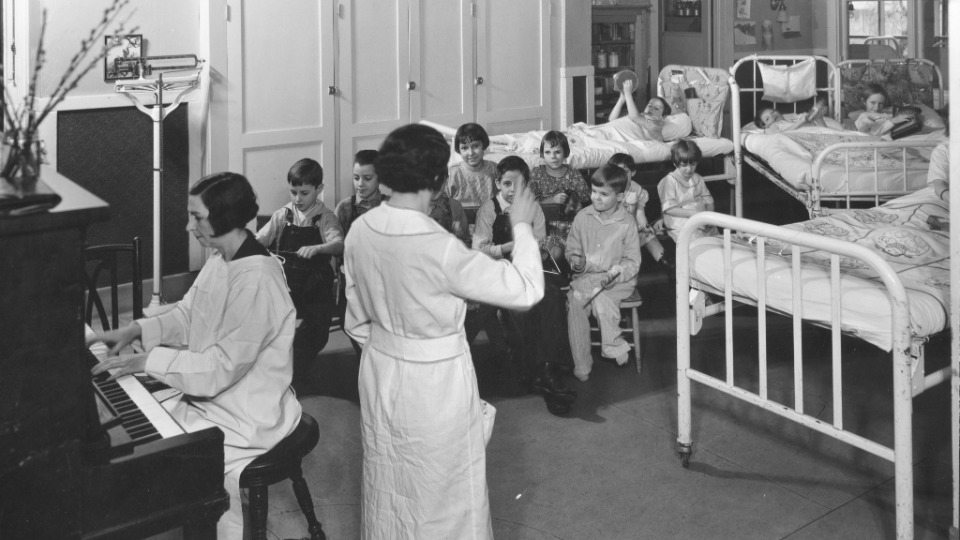
Two decades later, in 1905, W. H. Groves, a Latter-day Saint dentist, donated funds to establish LDS Hospital. The system expanded to include 15 hospitals, one of which was a children’s ward that would later become Primary Children’s Hospital.
The Church operated this hospital system until 1974. That year, the First Presidency announced they would “divert the full efforts of the Health Services of the Church to the health needs of the worldwide Church membership.” They emphasized that “the operation of hospitals is not central to the mission of the Church,” and therefore, the Church would “divest itself of its extensive hospital holdings” while solidifying a strategic approach that would ensure a viable, self-perpetuating provider of health services.
This decision stemmed from the Church’s recognition of its “growing worldwide responsibility,” which made it difficult to justify focusing health services on a single region. With a desire to ensure the continued growth and stability of these vital community resources, Church leaders transferred ownership of the 15-hospital system. This transition was marked by the establishment of a geographically and religiously diverse board of trustees, ensuring that the hospitals would serve the needs of the entire community, regardless of faith or background. This act reflected the Church’s deep-rooted commitment to serving the broader community while allowing the healthcare system to flourish under independent, specialized management.
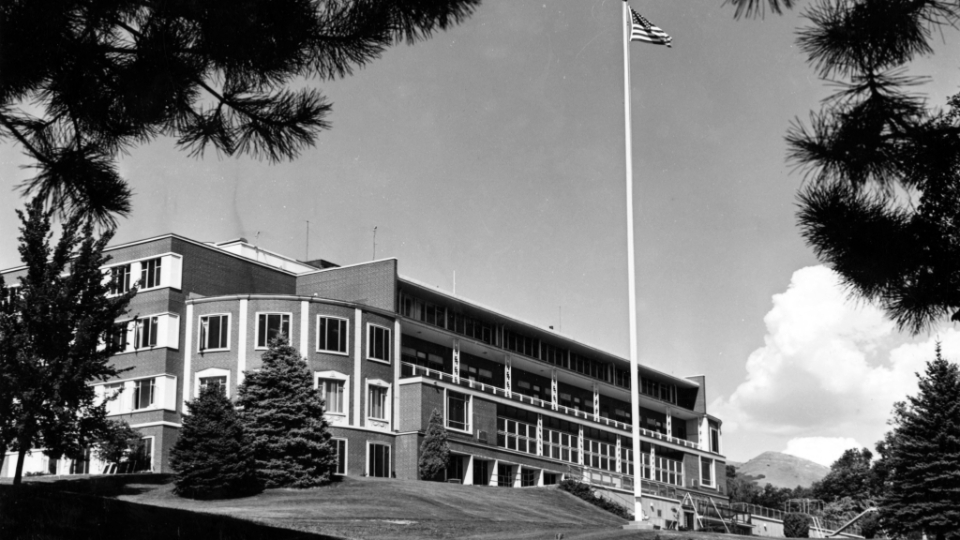
On April 1, 1975, this transfer was completed, resulting in the creation of Intermountain Health Care (now known as Intermountain Health), a nonprofit organization dedicated to providing high-quality, accessible healthcare to the Intermountain West. Today, Intermountain Health is a 60,000-person operation spanning six states across the region. While the Church divested its operation of hospitals, its commitment to healthcare in the region continues to evolve. Notably, in July 2024, the Church announced its intention to create a medical school at Brigham Young University in Provo, Utah, which will have “a mutually beneficial clinical relationship” with Intermountain Health. The Church also anticipates it will continue to “seek collaborative relationships with various entities in Utah, including the University of Utah,” recognizing the vital role of numerous healthcare providers in the region.
The First Presidency noted in 1974 that the decision to transfer ownership of the Church’s hospitals did not signify a loss of concern or compassion for the sick. “To the contrary,” they said, “it provides greater flexibility as the Church assists members and others everywhere with their temporal needs.”
This focus on global care has an enormous impact today, as evident in the latest “Caring for Those in Need” summary. A decades-old decision continues to impact the Church’s commitment to welfare, self-reliance, humanitarian aid, emergency relief, and volunteer service, with expenditures totaling US$1.45 billion. The Church provided assistance in 192 countries and territories, showing its global reach. This included 3,836 humanitarian projects.