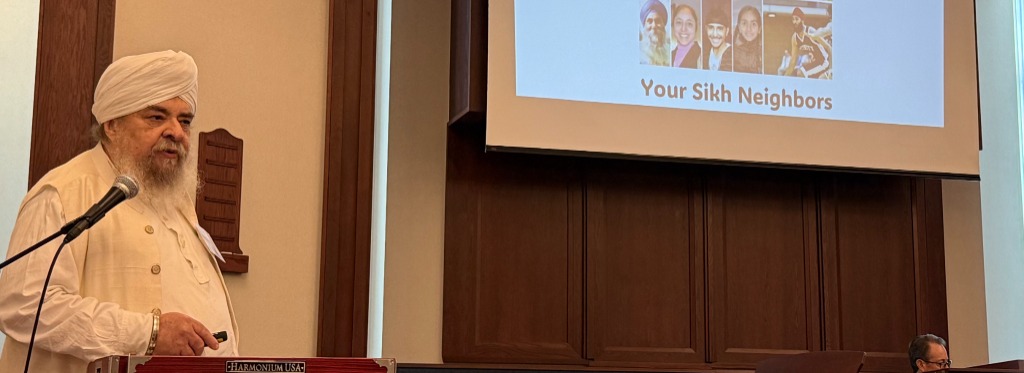
Chicago’s interfaith community gathered on Wednesday, September 10, 2025, for a day of learning and connection at a symposium hosted by The Church of Jesus Christ of Latter-day Saints.
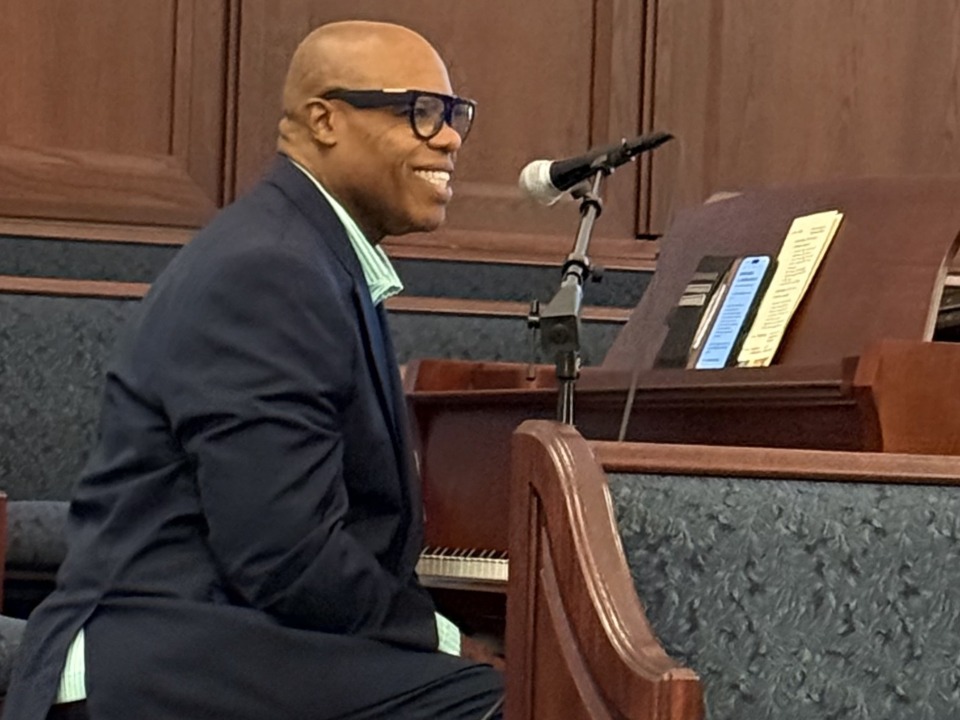
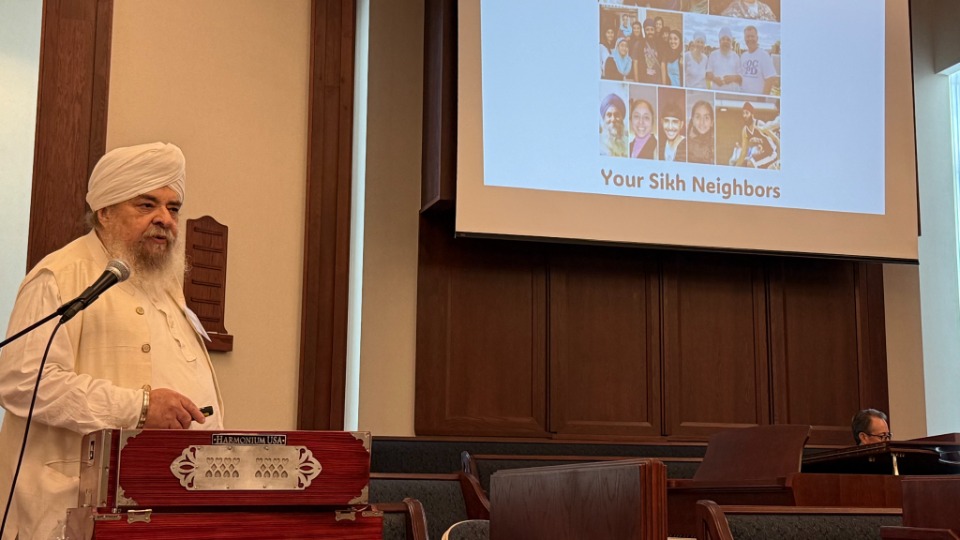
Representatives from more than a dozen religious traditions spoke on the symposium’s theme, “Sacred Spaces for Challenging Times,” to an audience that filled the chapel of the Church’s meetinghouse in downtown Chicago.
Embracing the theme, many speakers said that while we seek to commune with God in sacred spaces, fostering human relationships is another important reason we gather there.
- Symposium-3.jpg
- chicago-interfaith-30.jpg
- Symposium-4.jpg
- Symposium-5.jpg
- Symposium-1.jpg
- chicago-interfaith-59.jpg
- Symposium-6.jpg
- chicago-interfaith-18.jpg
- chicago-interfaith-1.jpg
| Temple Square is always beautiful in the springtime. Gardeners work to prepare the ground for General Conference. © 2012 Intellectual Reserve, Inc. All rights reserved. | 1 / 2 |
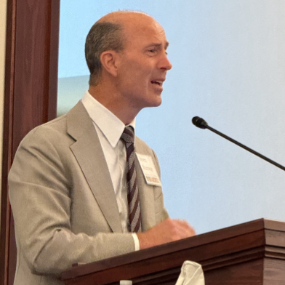
Elder Steven D. Shumway of the Seventy was among those who explained the dual purpose of such spaces.
“Though we have differences in faith, and we come from very different backgrounds, we share a common belief that sacred spaces not only connect us with the divine but connect us with each other,” he said. “That is especially needed during challenging times.”
Similarly, the Rev. Richard Fragomeni, Catholic Theological Union professor and presbyter of the diocese of Albany, New York, called Catholic churches “houses wherein the temple of God gathers — the temple being community, the temple being people.”
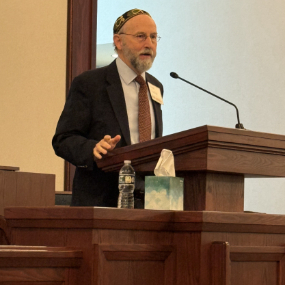
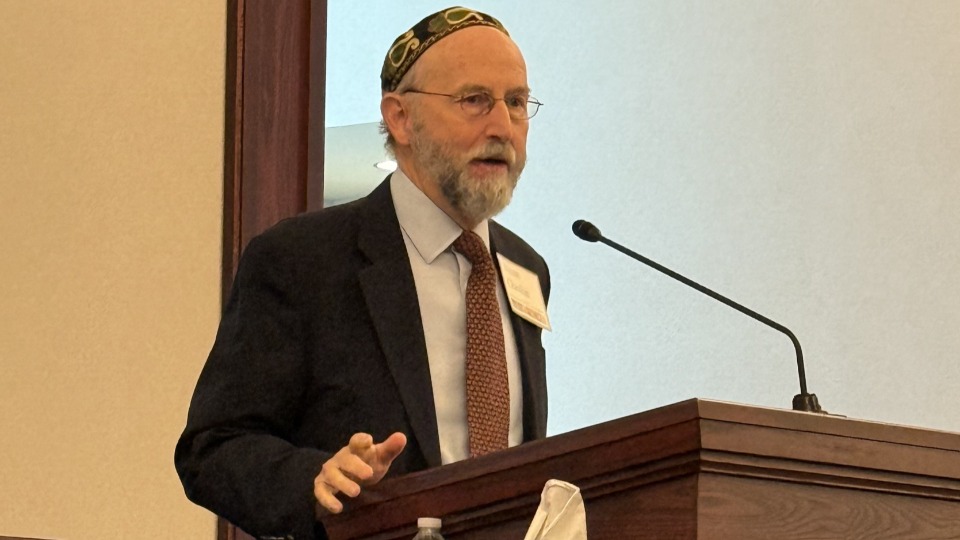
In his presentation, Nisan Chavkin of Beth Emet the Free Synagogue in suburban Chicago and a prominent interfaith leader, explained that in ancient times, the synagogue was a “place of the people.” It was a religious space alongside the temple before and after the last temple was destroyed in Jerusalem in 70 C.E.
While much of the history of the Jewish synagogue is unclear, Chavkin said, today’s synagogues are a place of learning, a sanctuary for prayer and a house of assembly. “It is where we keep our scriptures. It has an elevated space where we lead our services. It has places for people to sit and gather and learn.”
Since the first symposium in 2023, the annual gathering has become a highly anticipated event for the interfaith community in the Chicago area. Attendance has grown each year. Past topics have focused on being a peacemaker and religion’s evolution in modern America.
Symposium-6.jpg
Nisan Chavkin of Beth Emet the Free Synagogue in suburban Chicago speaks at an interfaith gathering hosted by The Church of Jesus Christ of Latter-day Saints in downtown Chicago on Wednesday, September 10, 2025.© 2025 by Intellectual Reserve, Inc. All rights reserved.“In its third year, we are thrilled that our interfaith symposium has blossomed into such a wonderfully diverse gathering,” said organizer Bruce Duffield, who oversees interfaith relations for the Church of Jesus Christ in the region. “Chicago has a vibrant interfaith community. When people of goodwill come together in a setting like this to learn from each other and share a meal, great things happen.”
Rida Batool, a Chicago resident who recently began working for the Council of Islamic Organizations of Greater Chicago, said she attended the symposium to get acquainted with interfaith leaders. “I saw lot of faces of those who I’d only seen in pictures,” she said.
Batool said she was intrigued by the topic of sacred spaces. “Although some speakers talked about architecture and structures, they also said the idea of a shared space creates something bigger than themselves.”
Symposium-4.jpg
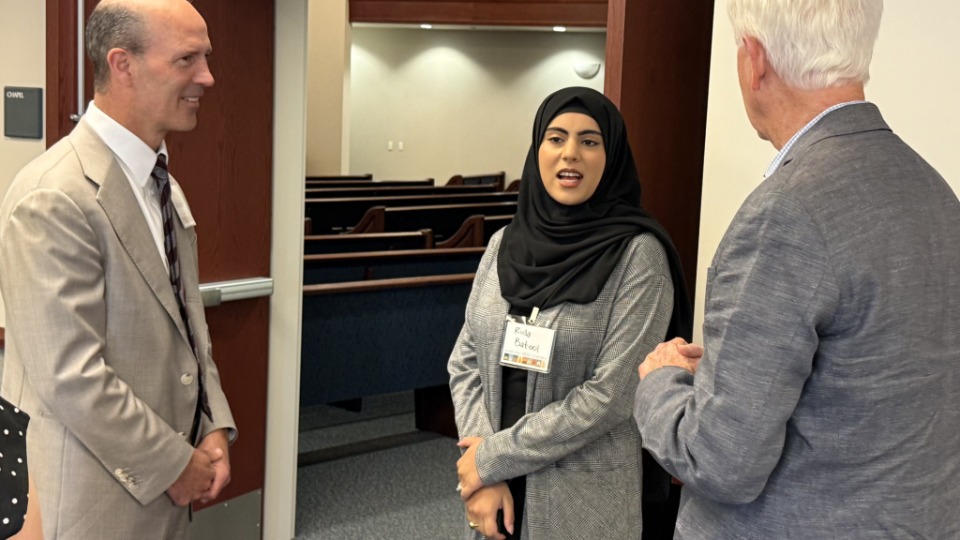
Elder Steven D. Shumway of the Seventy (left) speaks with Bruce Duffield (right), who oversees the Church’s interfaith work in Chicago, and Rida Batool (middle) of the Council of Islamic Organizations of Greater Chicago, at an interfaith gathering hosted by The Church of Jesus Christ of Latter-day Saints in Chicago on Wednesday, September 10, 2025.© 2025 by Intellectual Reserve, Inc. All rights reserved.Imam Rizwan Ali told the audience how his Muslim community’s proposal to build a sacred space faced opposition. Muslims had been an integral part of the larger suburban community for three decades but had never designed and built a mosque from the ground up.
“People fear what they don’t understand,” Imam Ali said, describing some insensitive and rude comments that appeared online about the project.
However, the group found support from its connections in the local interfaith community. People from other faiths mobilized and helped calm the waters. The project was approved, and Masjid-An-Noor opened its doors in 2024.
“Sacred spaces serve not just for prayer but as places for outreach to build bridges and relationships,” Imam Ali said.
chicago-interfaith-30.jpg
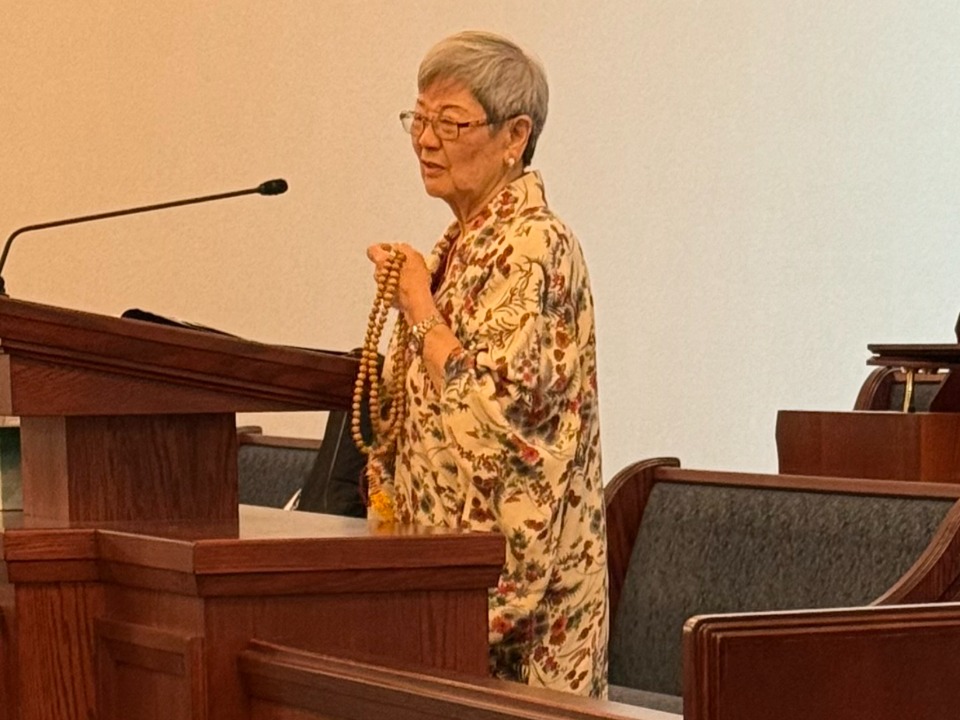
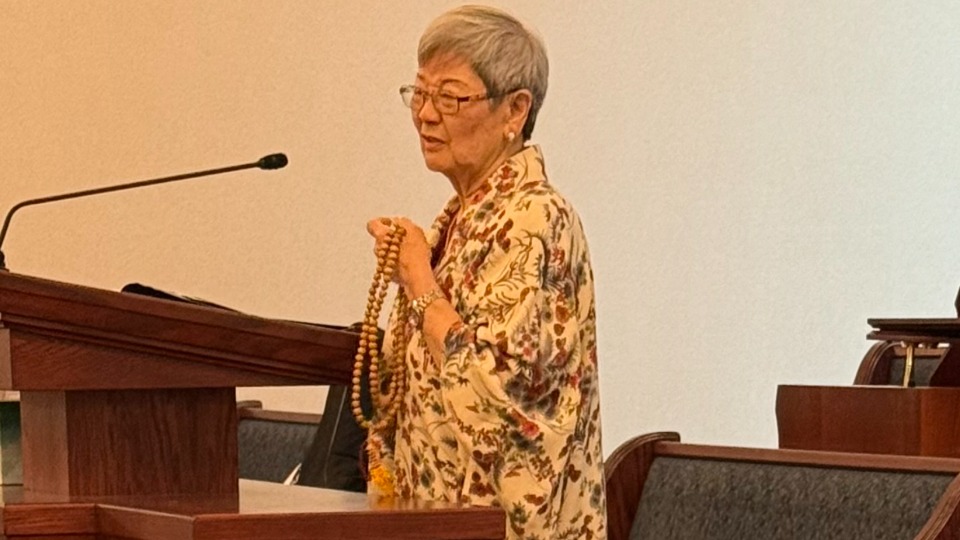
Asayo Horibe of the Buddhist tradition speaks at an interfaith gathering hosted by The Church of Jesus Christ of Latter-day Saints in downtown Chicago on Wednesday, September 10, 2025.© 2025 by Intellectual Reserve, Inc. All rights reserved.Brent Smith, who recently served as a local leader in the Church of Jesus Christ and works for the Church’s Temple Department, explained why the faith builds temples.
He taught that the ancient Hebrew word “hesed” describes a sacred, binding relationship that fills us with the Lord’s love. “The temple is a place where we are reminded of our hesed or covenant relationship with Him,” Brent Smith said.
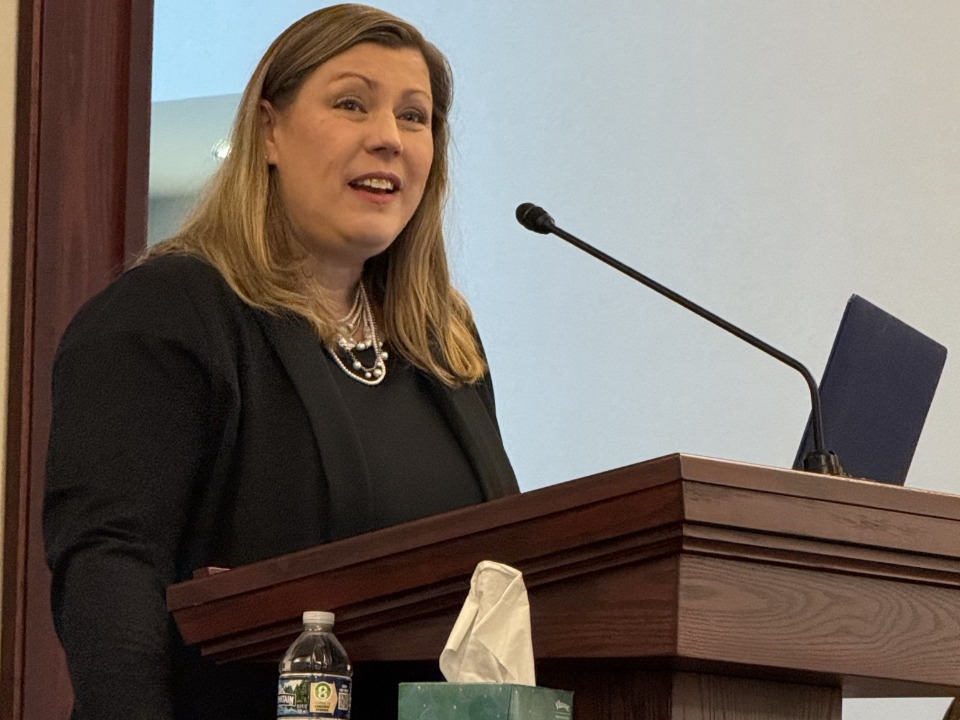
Hannah Smith (no relation), associate director of the International Center for Law and Religion Studies at Brigham Young University’s law school, also presented from the Latter-day Saint tradition. She said sacred spaces “have a unique potential to promote positive pluralism through dialogue.”
“Sacred spaces can help reverse negative trends by reminding members of different faiths of their own stories of diversity and cooperation, which can inspire understanding and peaceful pluralism today,” Hannah Smith said.
Attendee Sam Maalouf heard about the symposium through a friend and signed up. “We live in scary times,” said Maalouf, an attorney involved in charity work who recently moved to Chicago. “And it’s important for us to set the example for others.”
In his closing remarks, Elder Shumway reiterated the “common truth” that we are brothers and sisters and that the sacred spaces we create are about the people using them.
“We make tremendous sacrifices and go to great detail to build these sacred buildings,” he said. “This has caused me to wonder what would become of our societies, of our communities, if we gave such careful attention and sacrifice and effort to building the sacred space of relationships with one another?”
“What good is the sacred space if it does not change those who enter therein to worship?” he concluded. He called on people to listen to, respect, and love others.