The First Presidency of The Church of Jesus Christ of Latter-day Saints has announced changes to age-group names for young women. The purpose of the new names is to “help young women understand their divine place in God’s work, to represent their spiritual dignity as His beloved daughters, and to highlight their progression.”
The new age-group names are the following:
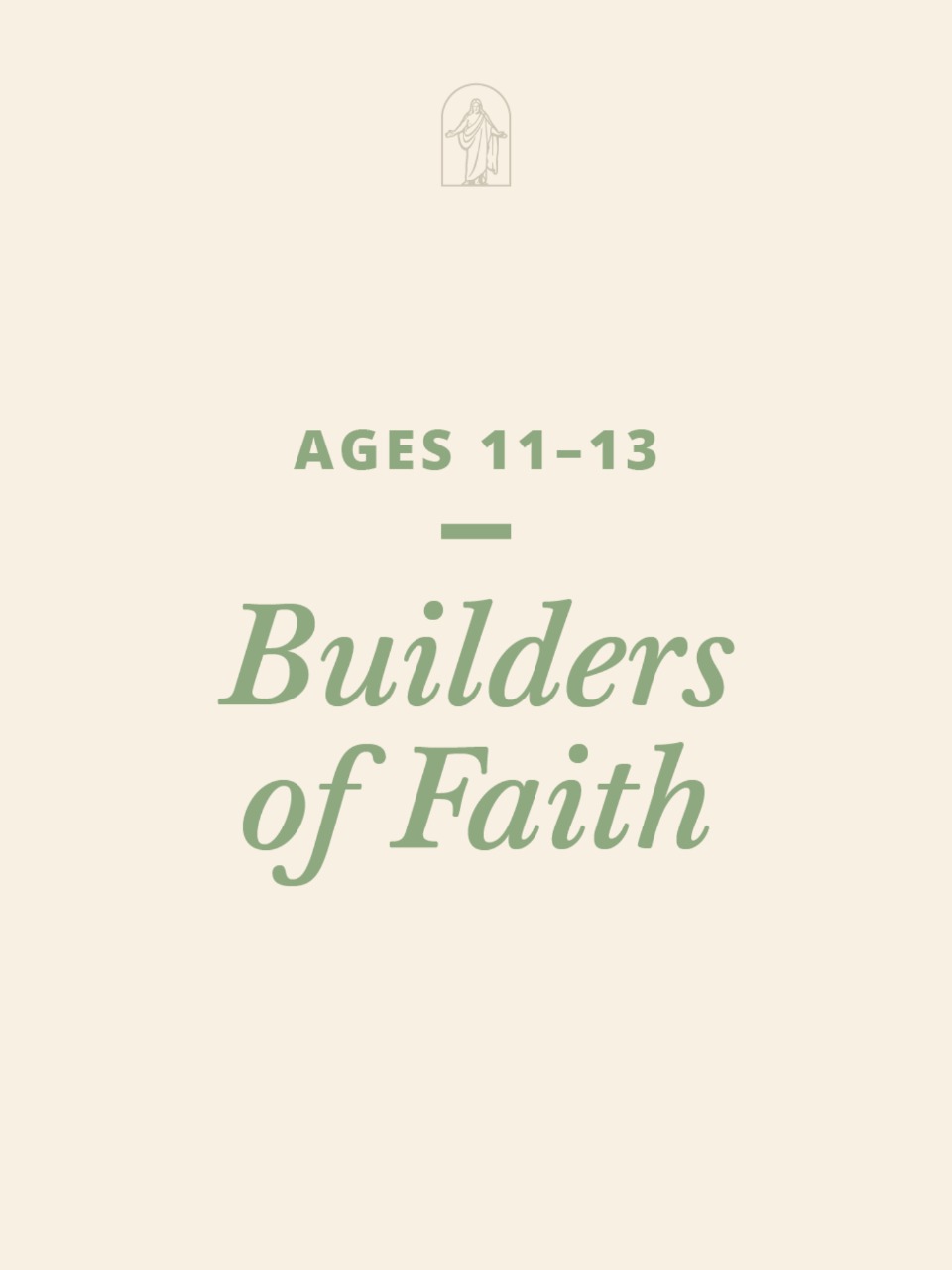
- Builders of Faith (young women turning 12 or 13)
A Builder of Faith helps build God’s kingdom through her faith in Christ, steadfast witness, and actions that uplift and encourage others (see Ephesians 2:20).
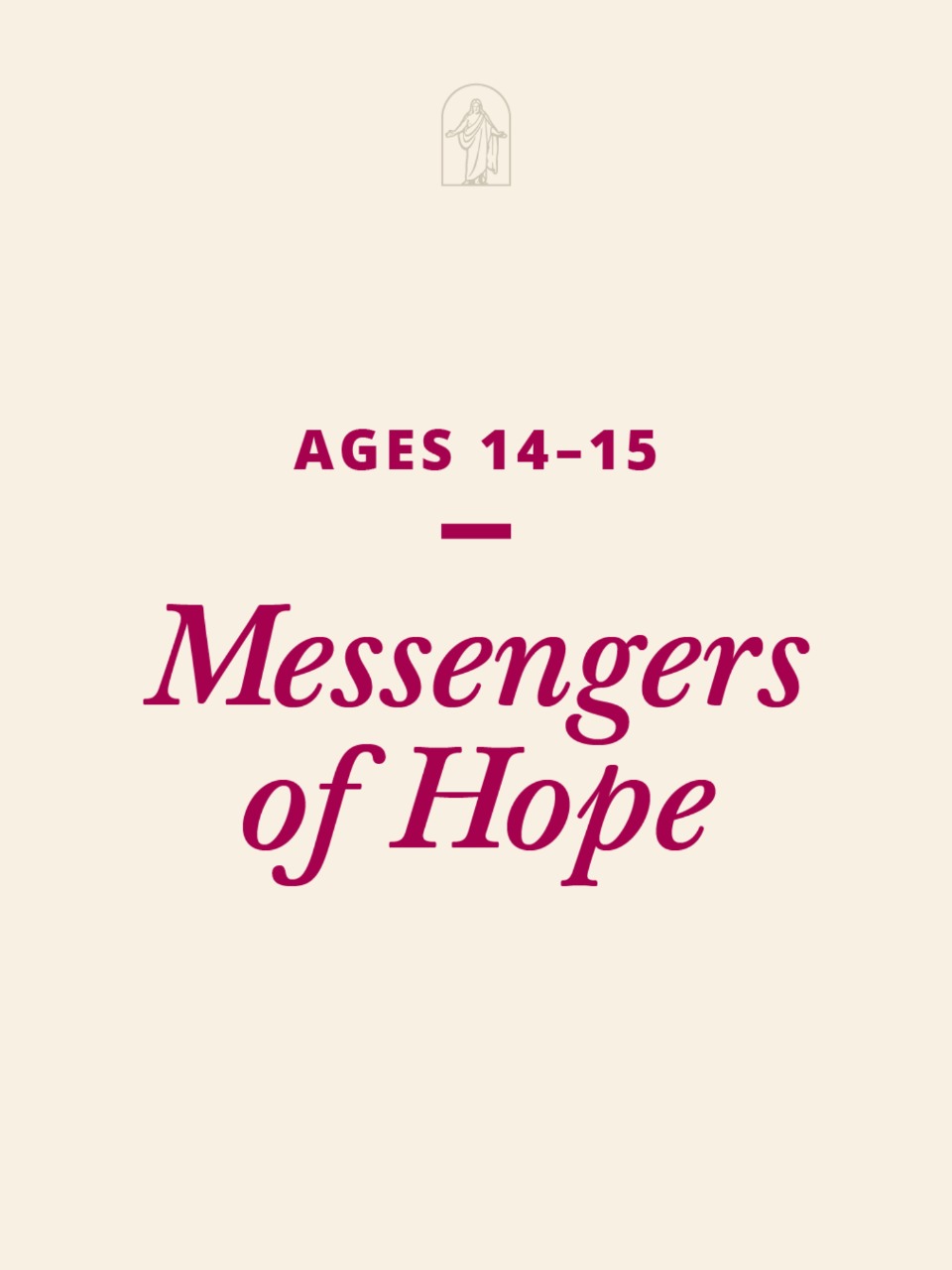
- Messengers of Hope (young women turning 14 or 15)
A Messenger of Hope carries Christ’s message of hope to the weary, speaking peace, sharing comfort, and lifting hearts through the power of the Spirit (see Mosiah 18:8–9).
- Gatherers of Light (young women turning 16 or older)
A Gatherer of Light trusts divine guidance and draws strength from covenants as she seeks, gathers, and reflects God’s light (see Doctrine and Covenants 50:24).
See the official letter from the First Presidency.
Shareable Assets for Social Media
| Temple Square is always beautiful in the springtime. Gardeners work to prepare the ground for General Conference. © 2012 Intellectual Reserve, Inc. All rights reserved. | 1 / 2 |
Young Women General President Emily Belle Freeman visited a For the Strength of Youth (FSY) conference in Tahiti at the end of 2025. As local young women sang “As Sisters in Zion,” the spiritual power behind the names was once again confirmed. The Young Women leader saw how each verse of the hymn reflected the purpose of each of the age-groups — first builders of faith, then messengers of hope and finally, in the third verse, gatherers of light.
“As the girls sang, I was inspired to think of these covenant-keeping young women whose purpose and mission would be to build faith, share hope, and gather and reflect light around the world,” President Freeman said. “My eyes teared up as I realized the Spirit had been leading this process all along, inspiring names of faith, hope and light that would help God’s daughters live as disciples of Christ and prepare them to enter a lifelong sisterhood of charity — the Relief Society.”

The First Presidency letter encourages local leaders to prayerfully seek inspiration as they organize the young women in their congregations for instruction and activities. When appropriate, different age-groups may meet together. Regardless of how they gather, the young women are still identified by their age‑group names, and each age-group has its own called president. When possible, one or two counselors and a secretary are called to support each president.
“It is our hope,” the First Presidency concluded, “that these age-group names and the principles they teach will help young women become lifelong disciples of Jesus Christ, prepared to participate in the great work of the Relief Society.”
Members are encouraged to begin using these names immediately. Ward Young Women organizations will change from a class structure to an age-group structure on June 1, 2026. This allows local leaders time to make age-group presidency changes if needed.
Please see answers to commonly asked questions below.
Frequently Asked Questions
When will changes to Young Women age-group names take place?
Members are encouraged to begin using the new age-group names immediately. Leader and Clerk Resources (LCR) will be updated on June 1, 2026, to include the new Young Women age-groups. At that time, all young women will automatically be assigned to an age-group based on the age they turn in 2026. Age-group presidencies can then be assigned in LCR. In a ward or branch with few young women, age-groups may meet together for instruction and activities.
Do existing class presidencies need to be released and called again?
If all members of an existing class presidency will be in the same age-group, they do not need to be released and called again. However, the ward clerk will need to reassign the callings in LCR on June 1, 2026. If a class presidency will not become an age-group presidency, they should be formally released by a member of the bishopric and new presidencies called.
If new presidencies are needed, the bishopric may begin calling young women to serve now. The presidencies can also be sustained and set apart now, but the ward clerk will need to wait to assign the callings in LCR on or after June 1, 2026.
What is the difference between an age-group and a class?
Currently, bishoprics and adult Young Women leaders work together to organize young women into one or more classes. Effective immediately, three age-groups will be organized according to the age each young woman turns during the year: Builders of Faith (turning 12–13), Messengers of Hope (turning 14–15), and Gatherers of Light (turning 16 or older).
Can we move young women into classes in the same way that we have for the past six years?
No. Each age-group is distinct. However, bishoprics and adult Young Women leaders prayerfully decide how to organize the young women for instruction and activities. When needed, age-groups may meet together. Each age-group should still have a presidency. When more than one age-group meets together, the presidencies work together to plan and hold Sunday meetings and activities.
What if our ward has a small number of young women?
Each age-group with a young woman in the group should have a president. For example, if a ward has two young women who are in different age-groups, they would each serve as president of their age-group. Where possible, one or two counselors and a secretary serve with each president.
What if our ward has a large number of young women?
If bishoprics and adult Young Women leaders decide that an age-group includes too many young women, they may divide the age-group. Each group would have its own presidency.
Who attends ward youth council?
The president of each age-group attends ward youth council meetings.
How are adult leaders assigned to age-groups?
The Young Women president has responsibility for the Gatherers of Light (ages 16 or older). Her first counselor has responsibility for the Messengers of Hope (ages 14–15). Her second counselor has responsibility for the Builders of Faith (ages 12–13). When needed, advisers can be called and assigned to a specific age-group.
How will age-group progression occur each year?
Young women will become Builders of Faith beginning in January of the year they turn 12 years old, Messengers of Hope beginning in January of the year they turn 14 years old, and Gatherers of Light beginning in January of the year they turn 16 years old.