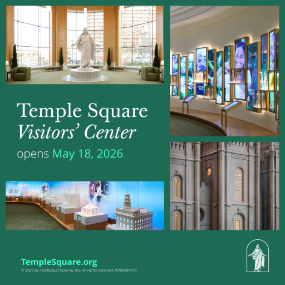
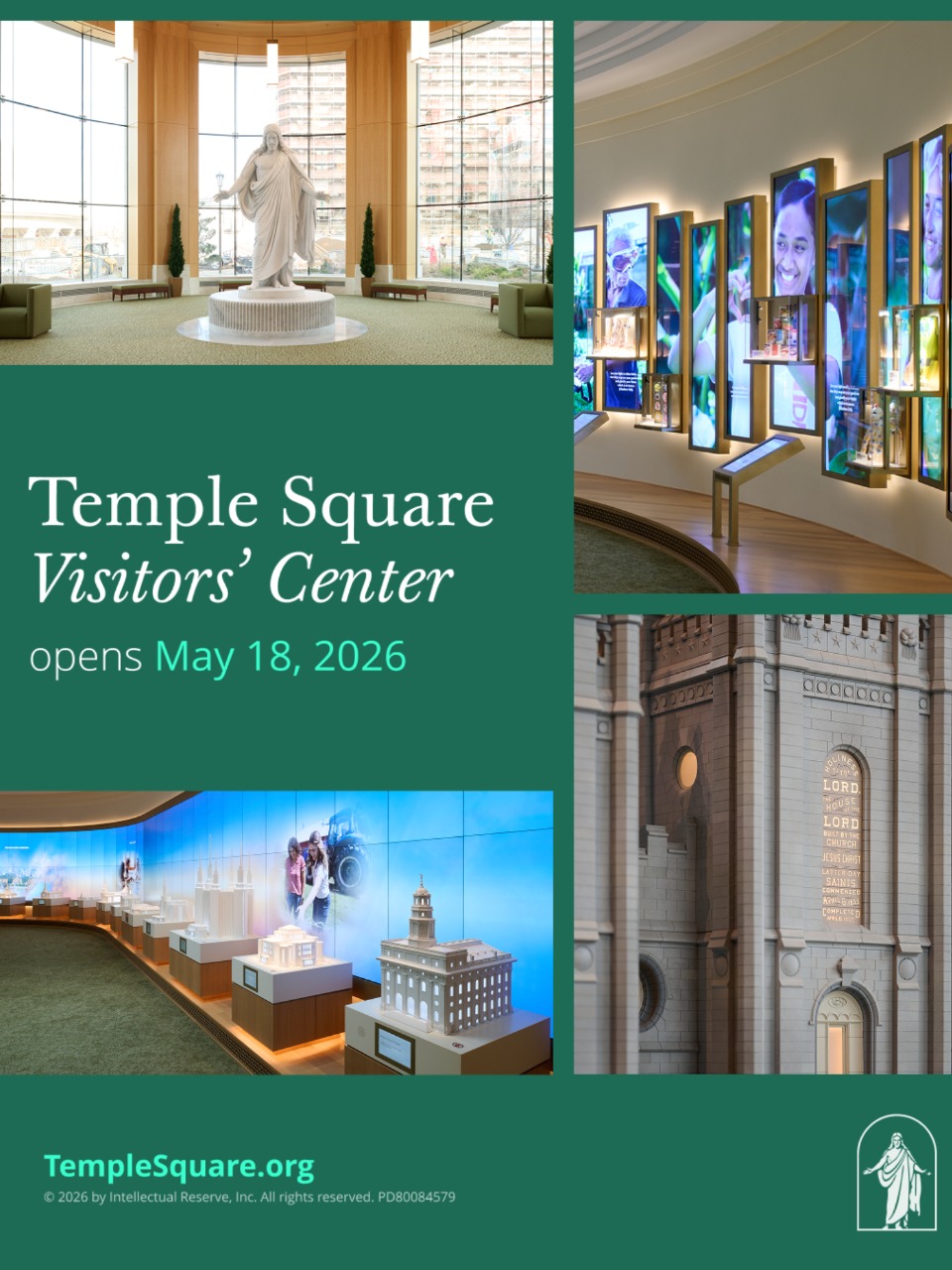
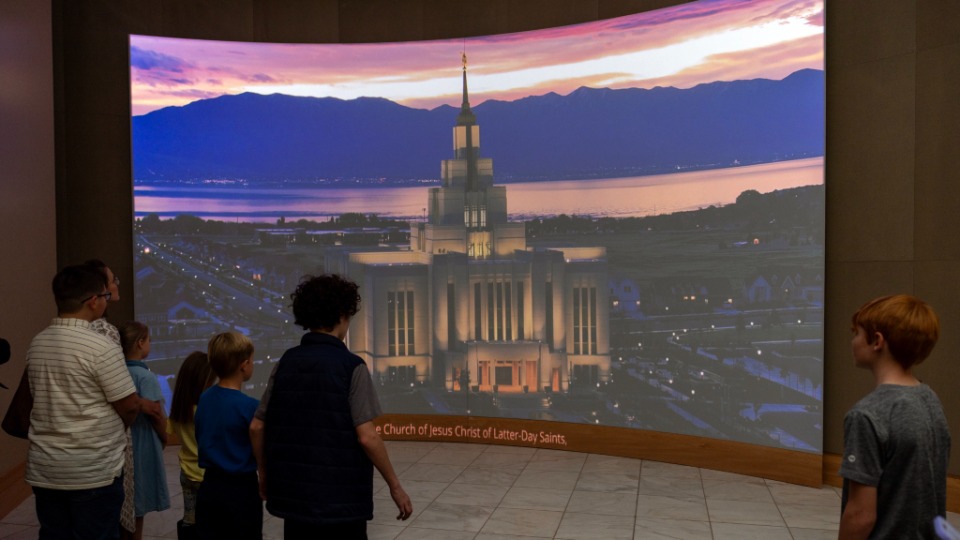
The Church of Jesus Christ of Latter-day Saints’ new Temple Square Visitors’ Center offers guests an unprecedented opportunity to explore, engage and learn about Jesus Christ and temple worship through innovative exhibits, contemplative spaces, and permanent temple replica rooms.
The experience highlights the sacred significance of the Salt Lake Temple and other temples around the world, and the Christ-centered beliefs of the Church. All are welcome to join in the open house celebration to tour the newly renovated Salt Lake Temple and surrounding Temple Square from April 2027 to October 2027.
The state-of-the-art Temple Square Visitors’ Center features a west wing and an east wing, with a lower level that includes exhibits, temple scale models, and temple replica rooms.
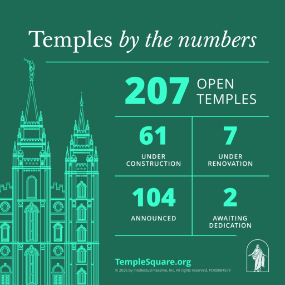
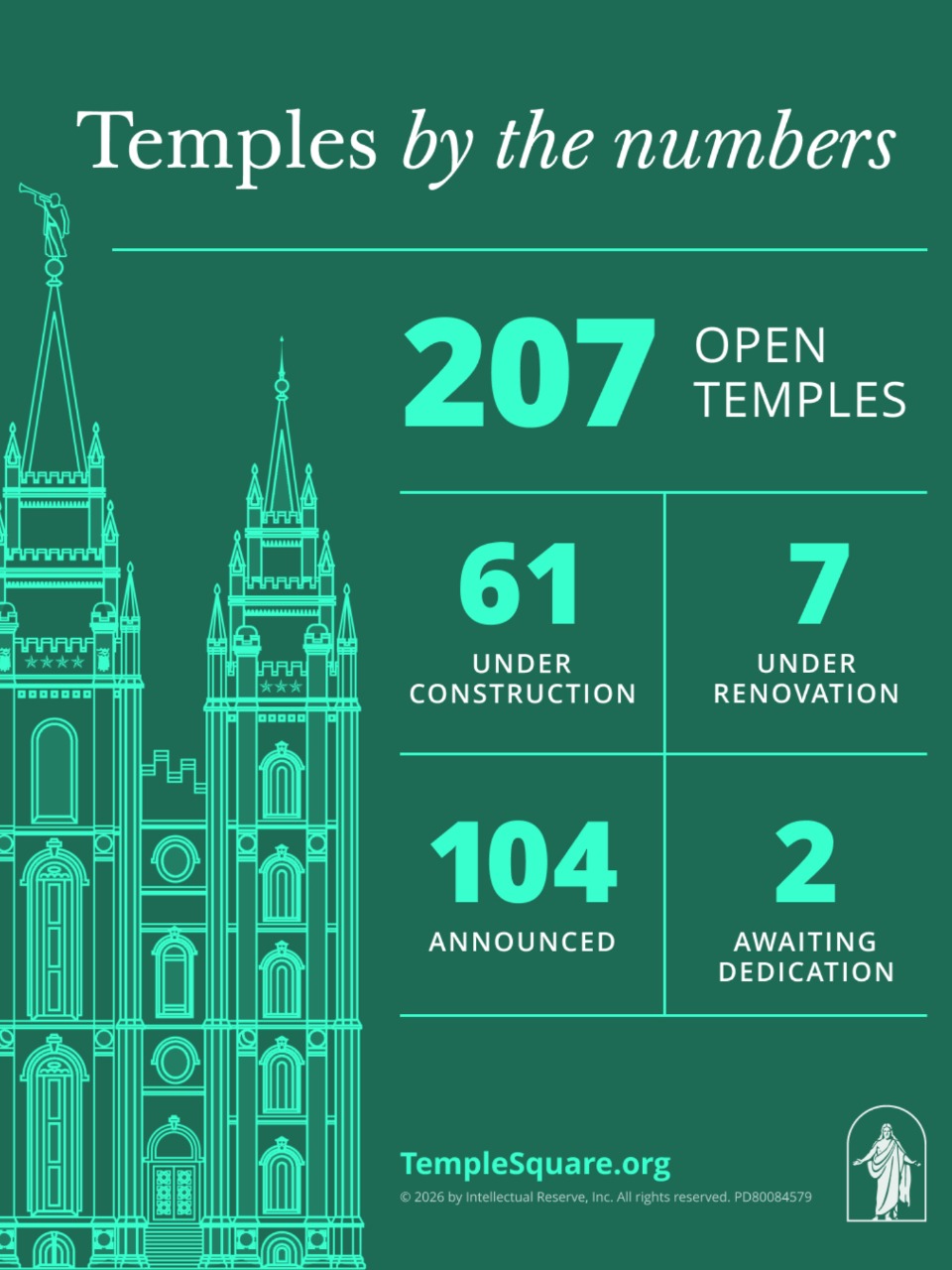
The 39,800-square-foot center brings to life a pioneer journey that began with Brigham Young’s 1847 declaration: “Here we will build a temple to our God.” Today, the Church has more than 350 temples either open, under renovation, under construction, or announced throughout six continents, the visitors’ center honors a rich heritage that began with volunteer guides in 1875.
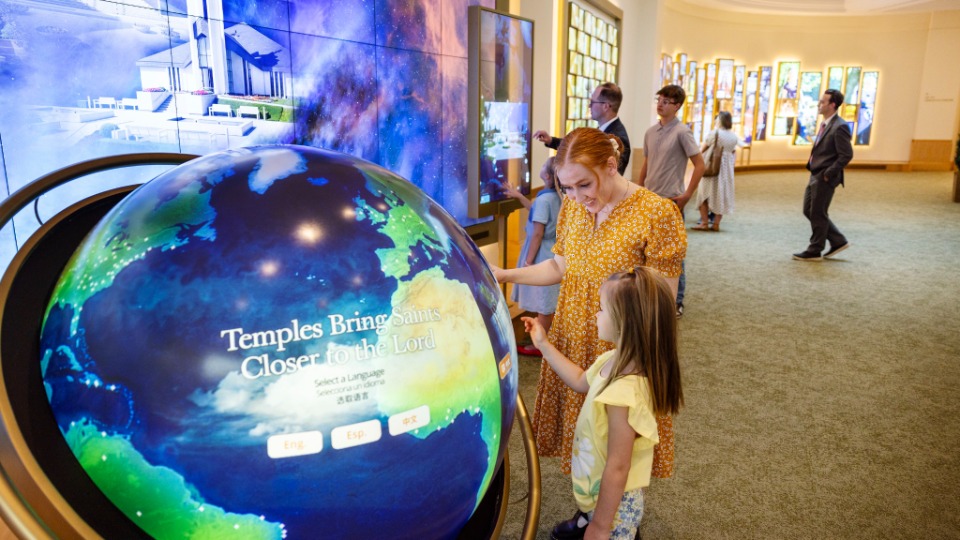
Temple Square has grown into one of America’s most visited religious destinations, attracting millions of visitors each year. For the curious and devoted alike, the exhibits explain what temples represent — sacred spaces rooted in faith, family, service, and promises with God.
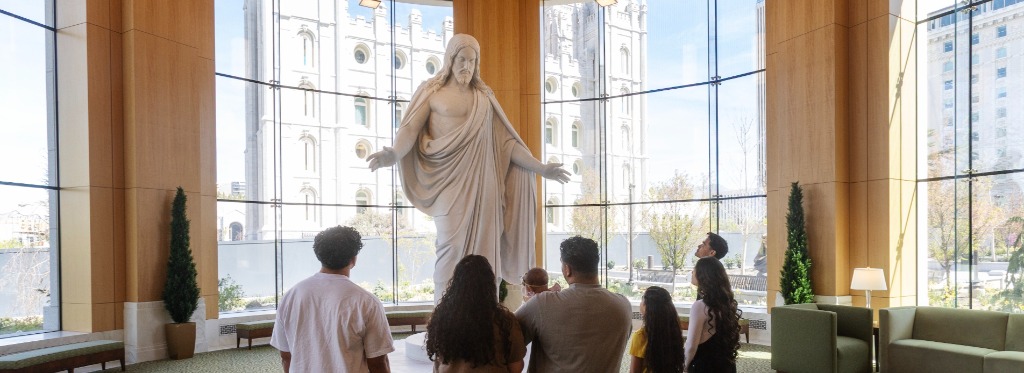
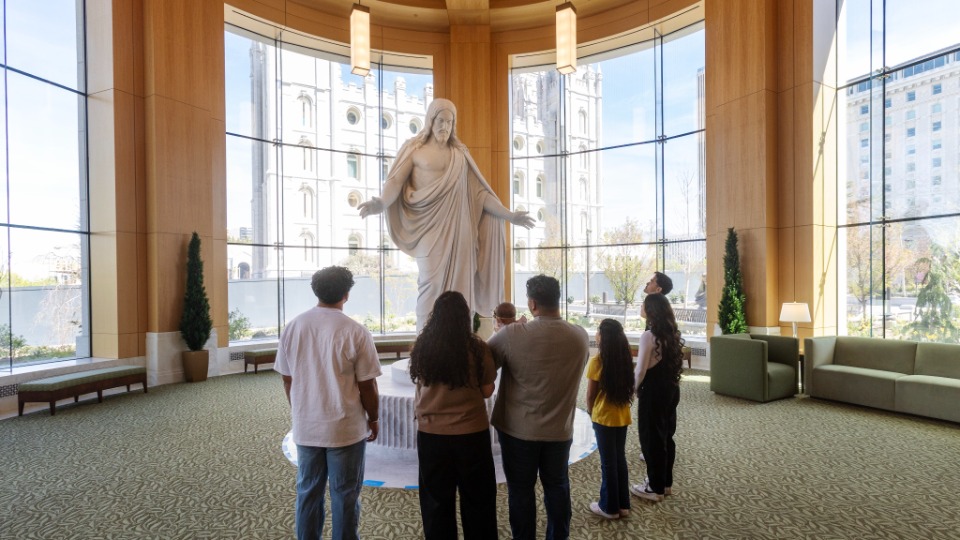
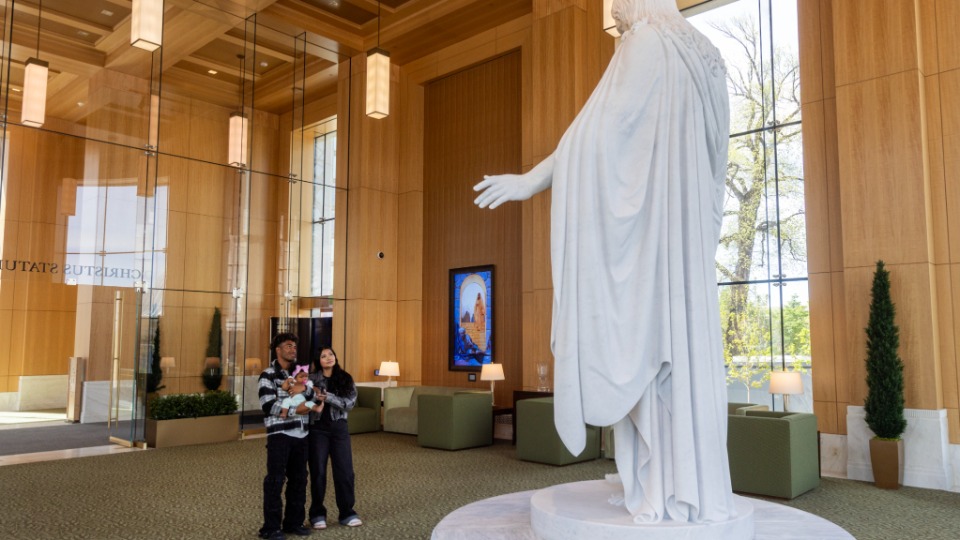
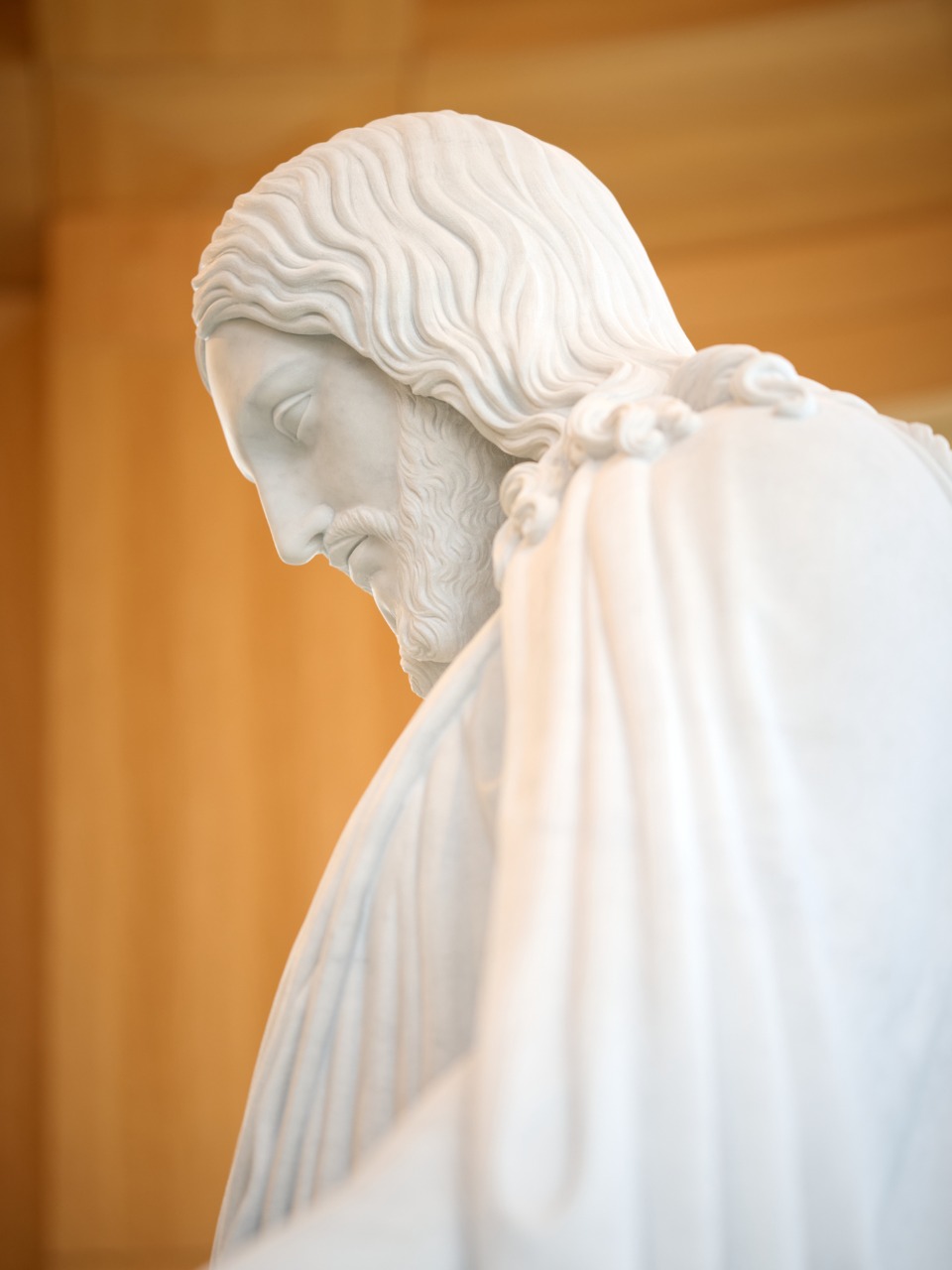
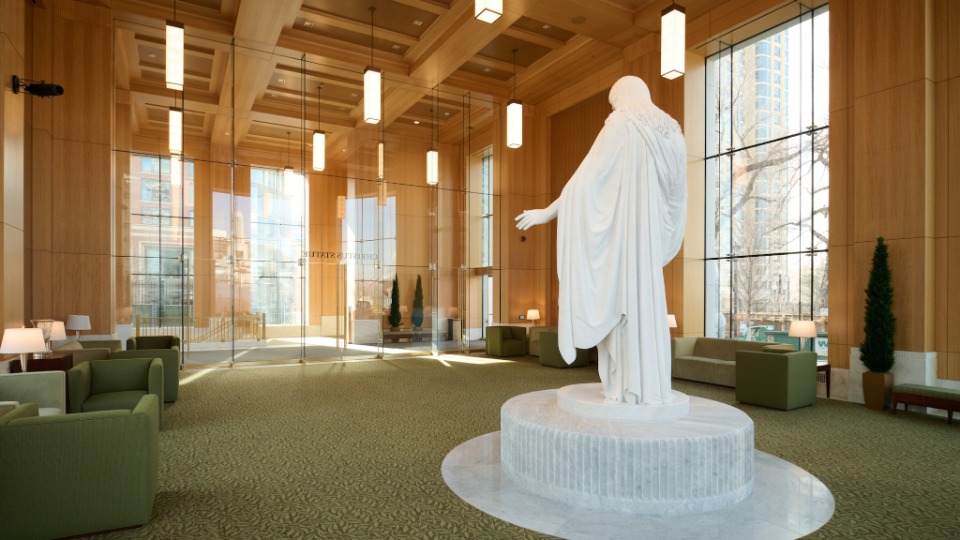
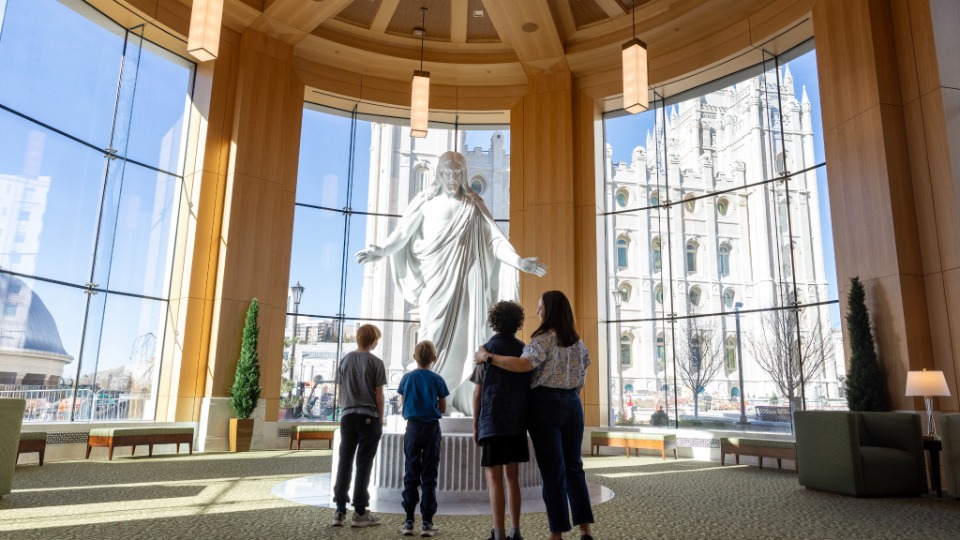
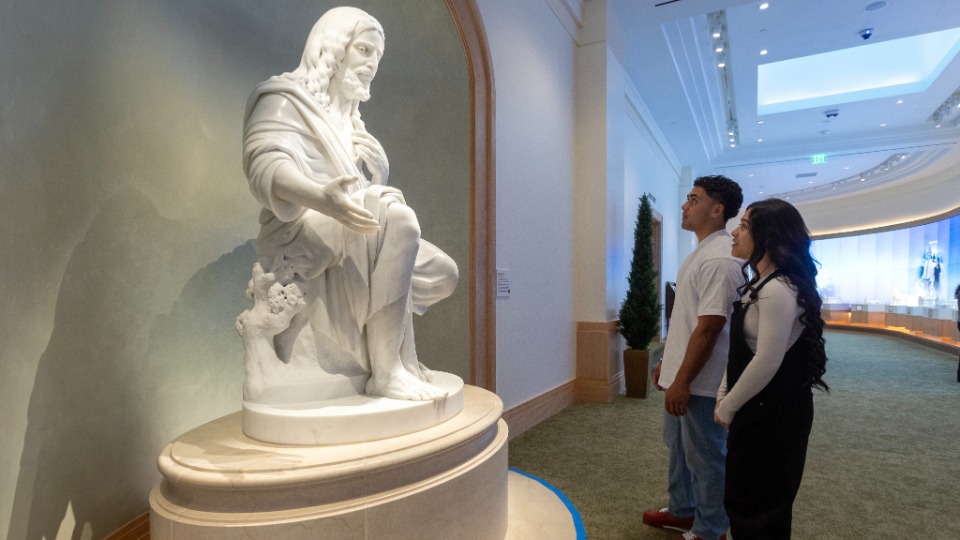
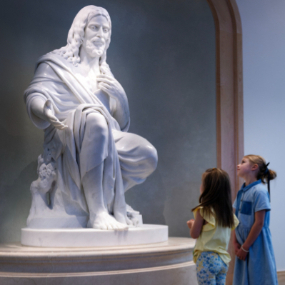
The west wing is home to a newly commissioned replica of Bertel Thorvaldsen’s “Christus.” The 11-foot marble statue depicts the resurrected Jesus Christ with outstretched arms.
East Wing: Salt Lake Temple Scale Model
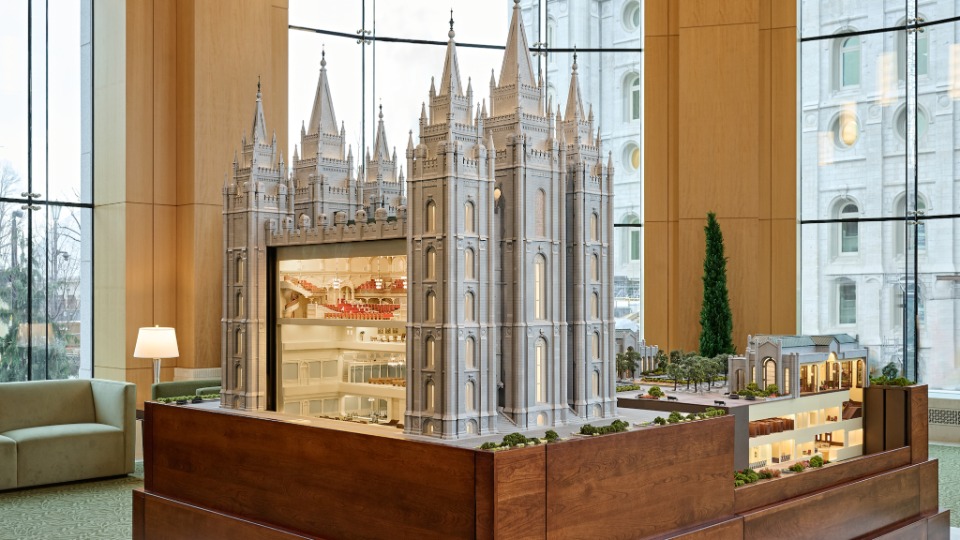
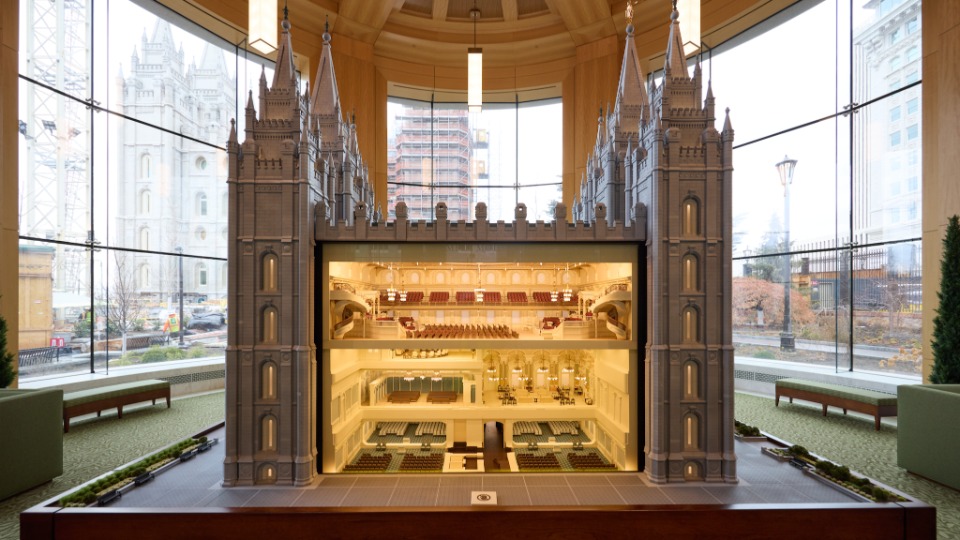
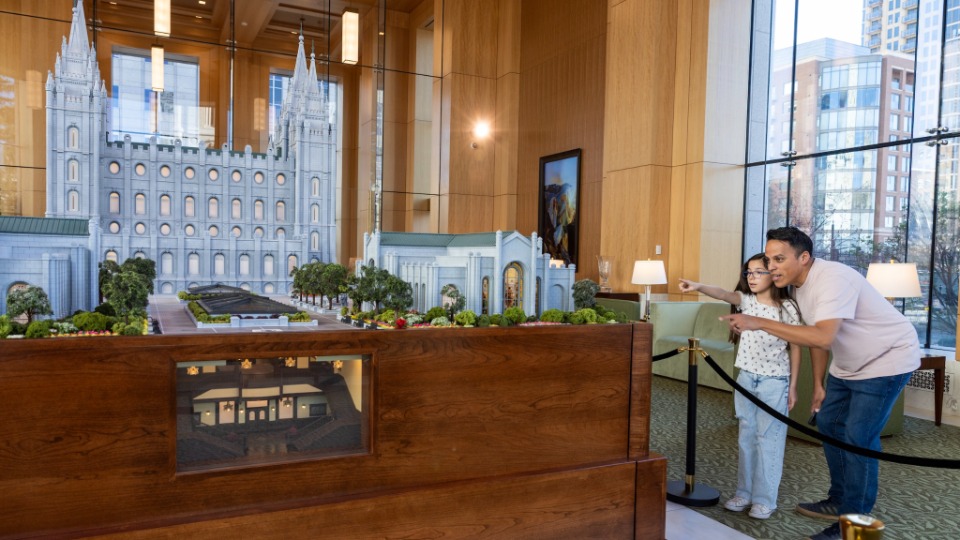
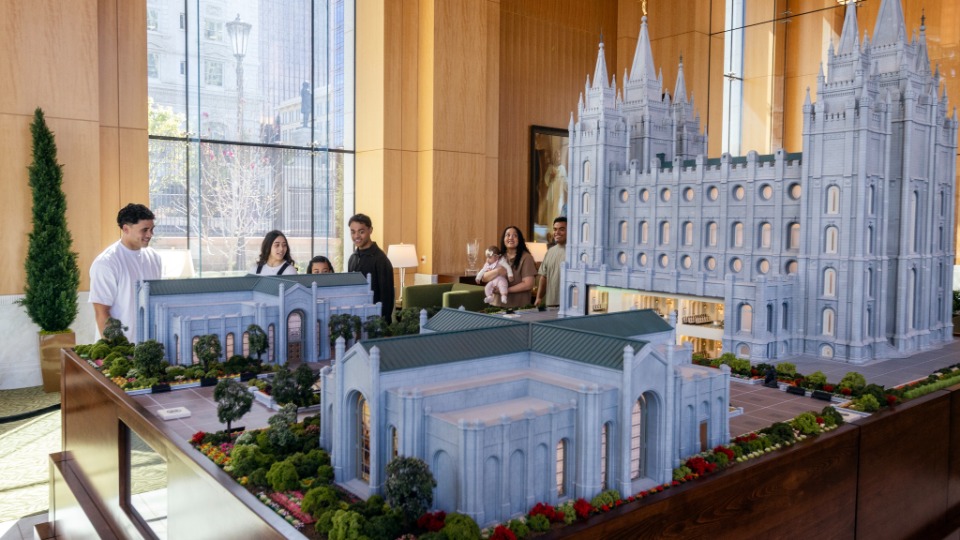
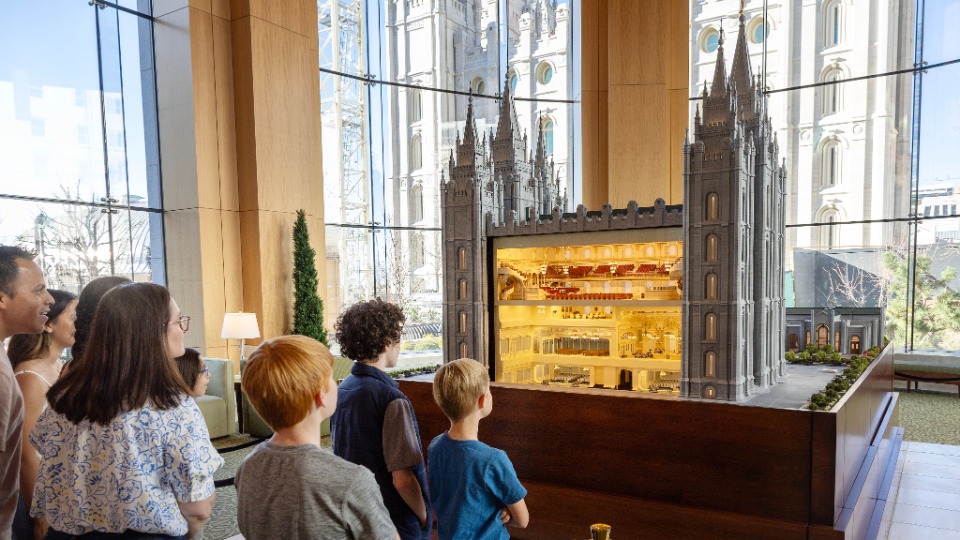
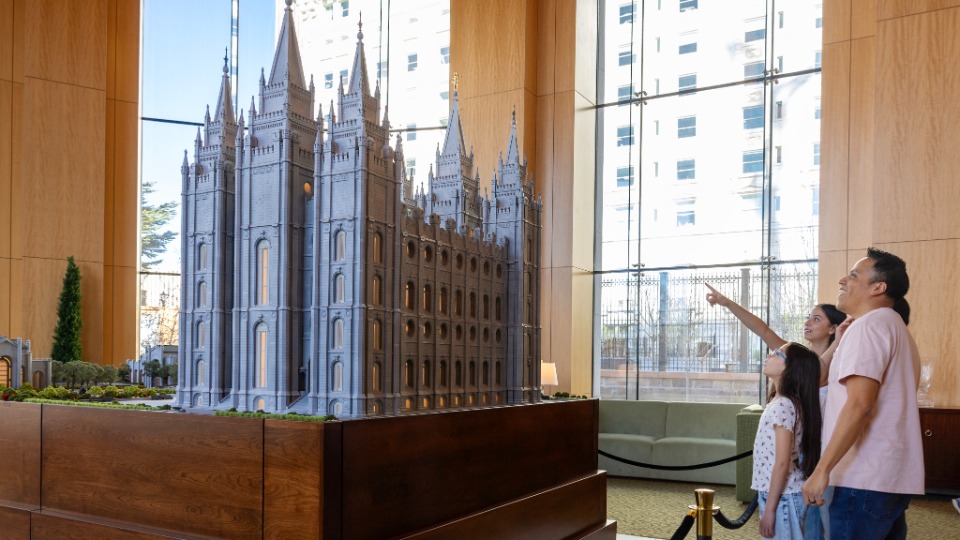
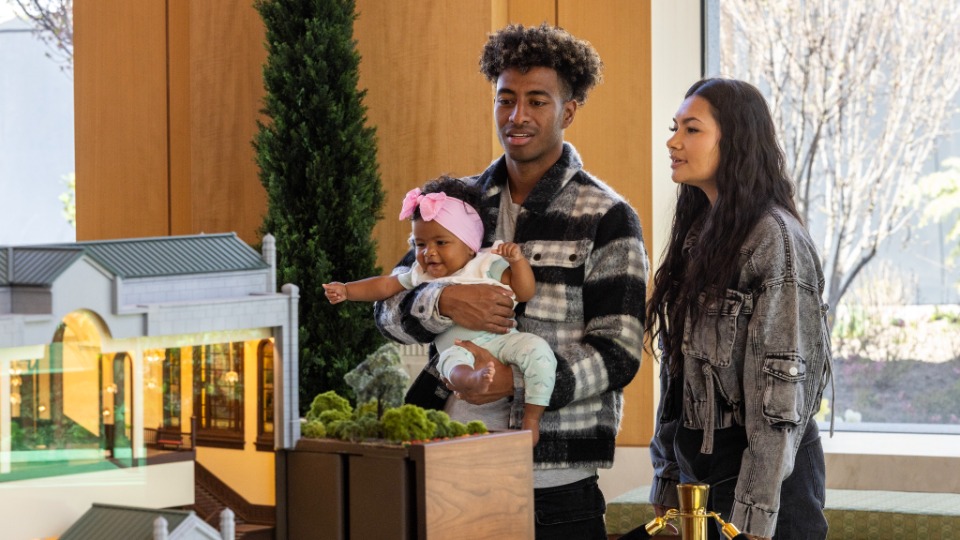
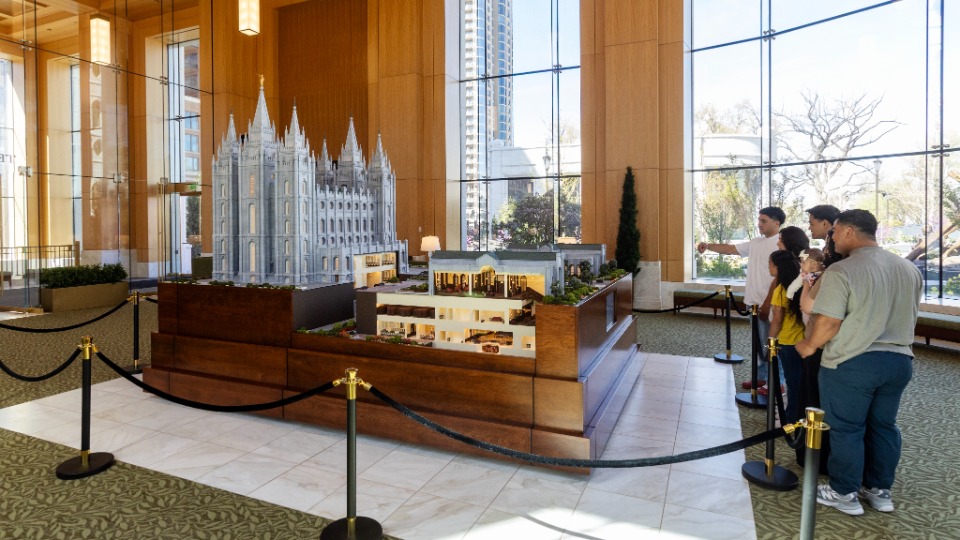
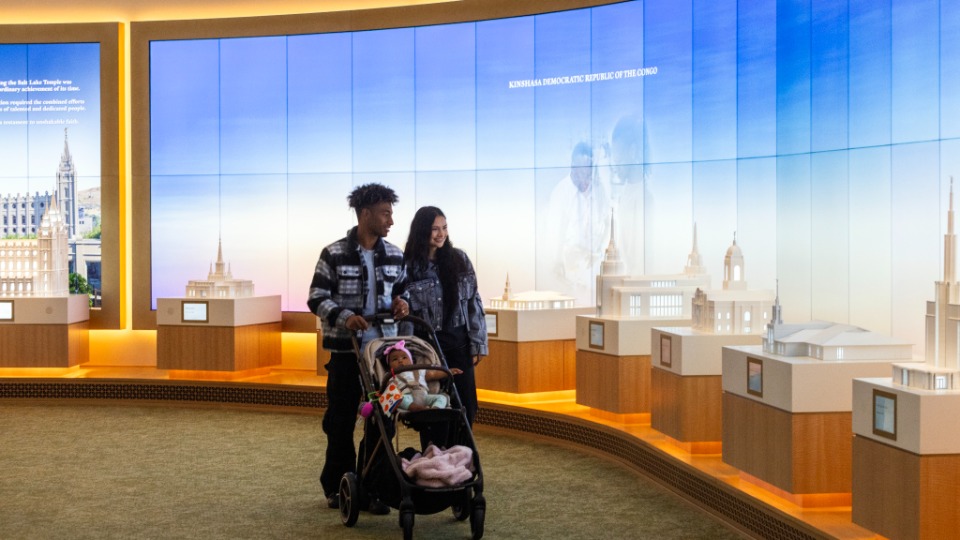
The east wing features an innovative scale model of the Salt Lake Temple. During a brief presentation, walls open to reveal interior rooms as narration and music explain what happens in temples and why they matter to followers of Jesus Christ.
Both the east and west wings provide stunning views looking north toward the historic temple and south toward the plaza and vibrant temple grounds, which include bronze statues depicting Jesus Christ. These contemplative spaces offer a respite from the bustling city and help visitors focus their thoughts and attention on the Savior and His holy house.
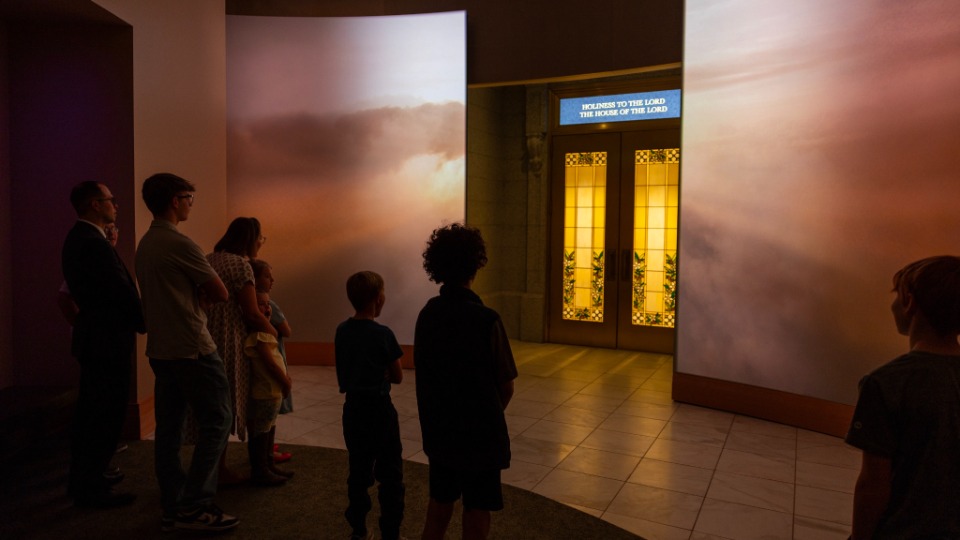
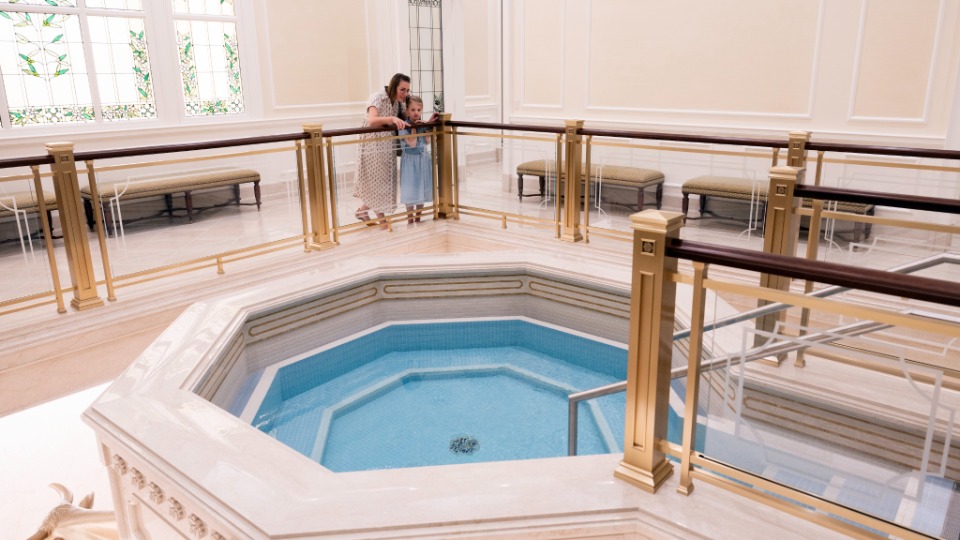
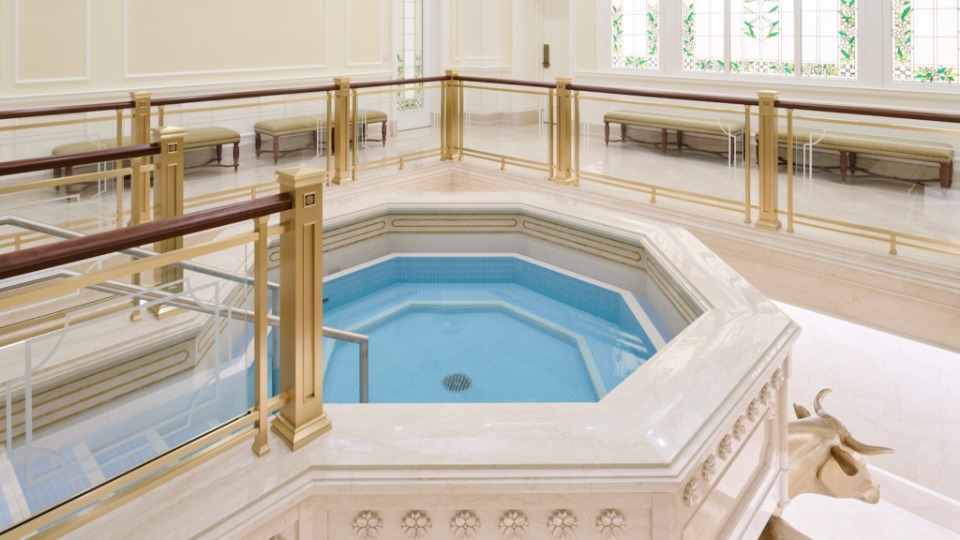
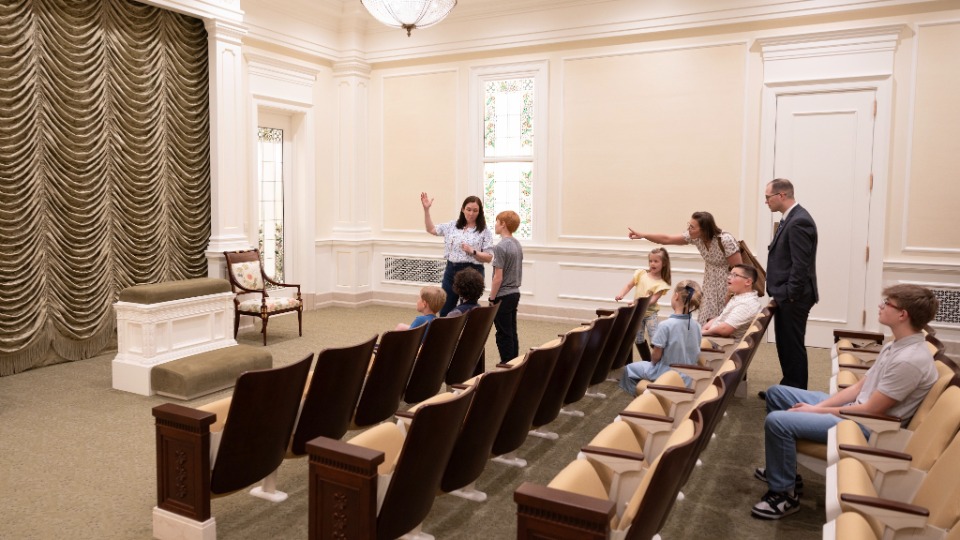
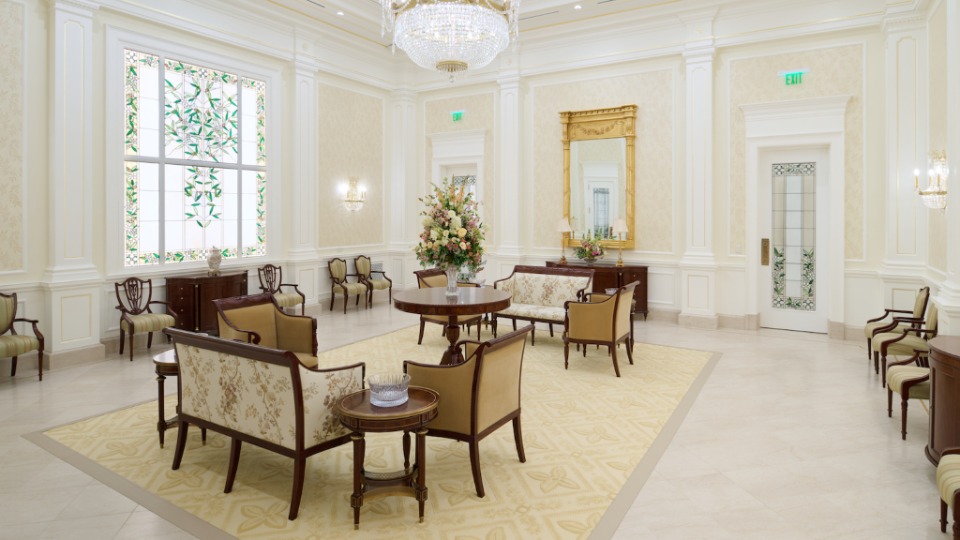
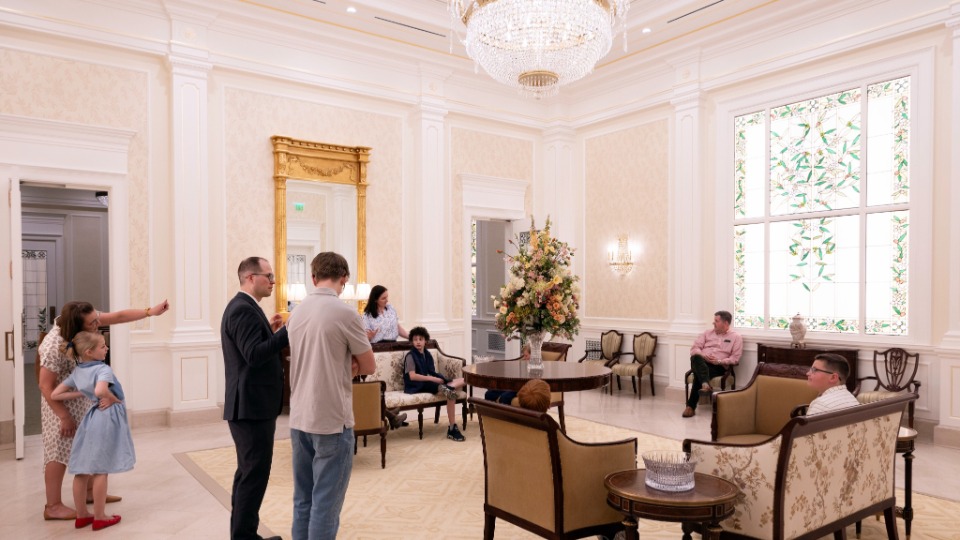
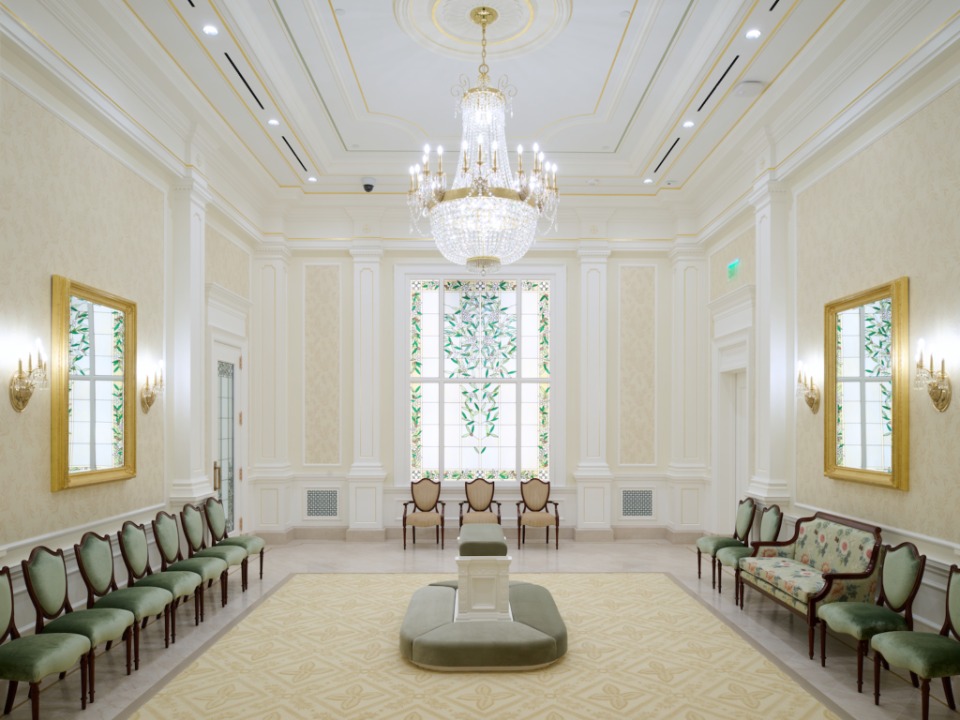
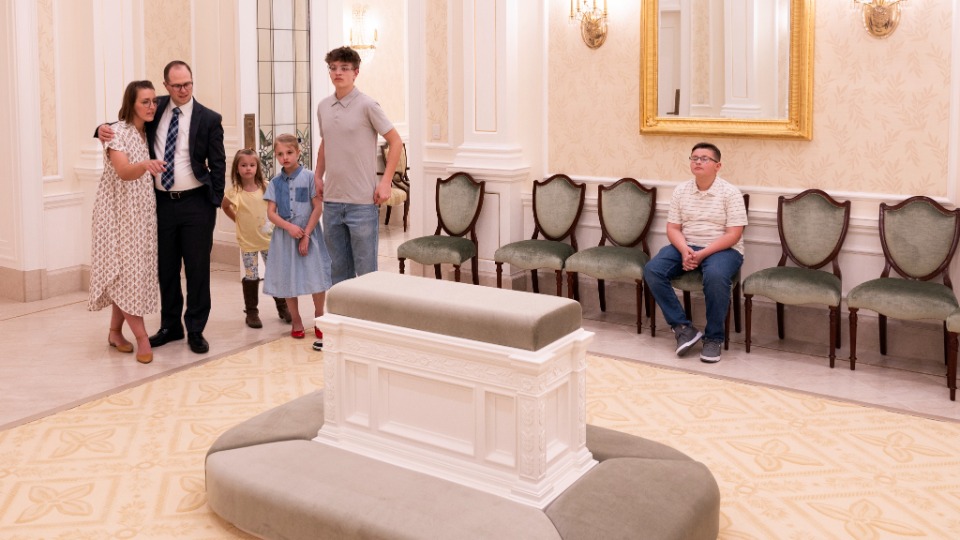
The “Inside a Temple” tour offers a rare opportunity to see what the interior of a temple is like and to understand the purpose of temple worship. While this experience does not take place inside the Salt Lake Temple itself, the rooms are designed to match those found in temples of The Church of Jesus Christ of Latter-day Saints.
During this guided, 30-minute experience, you’ll move through spaces such as a baptistry, instruction room, sealing room, and celestial room. An audio tour is also available. Using a headset, you’ll hear narration (currently available in English, Mandarin, and Spanish) that explains how each space is used and why it holds deep meaning for Latter-day Saints.
Because temples are not open to the public once they are dedicated, this tour is a unique opportunity to see inside.
This experience provides a thoughtful setting to understand how the temple offers individuals and families lasting hope and joy in Jesus Christ. You’ll hear personal insights that complement other temple-focused exhibits in the visitors’ center.
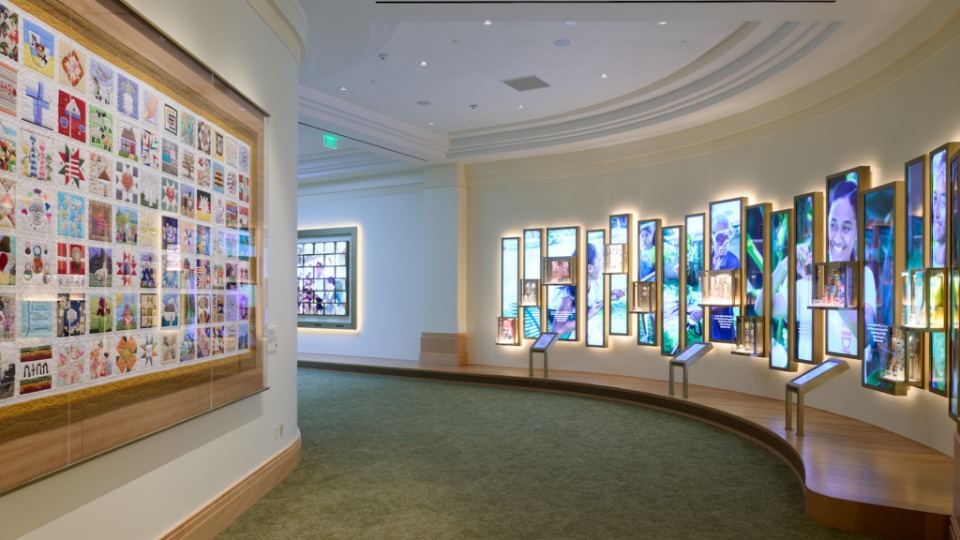
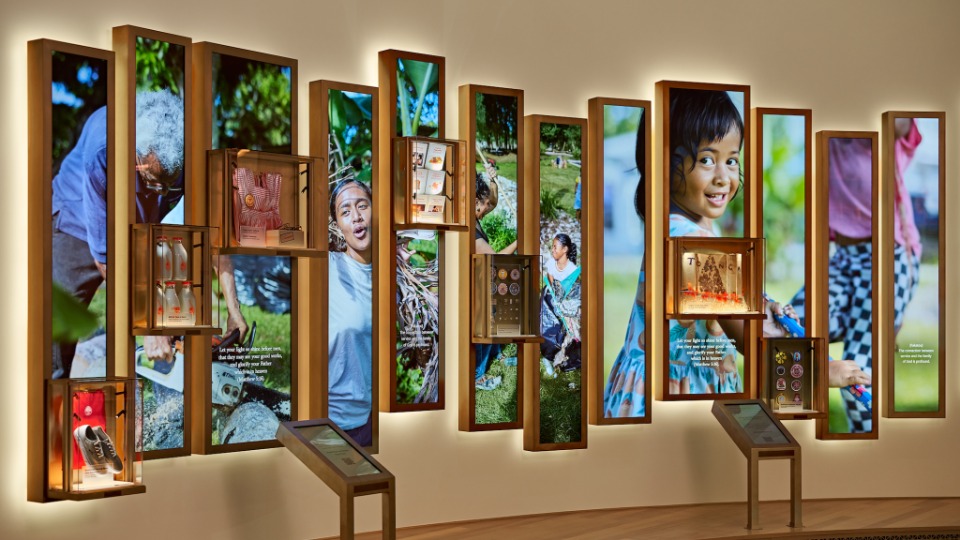
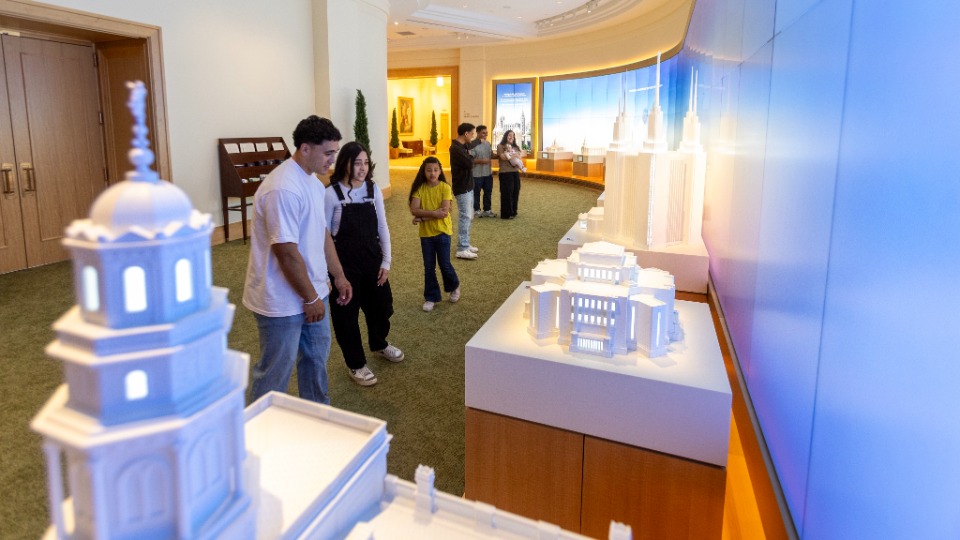
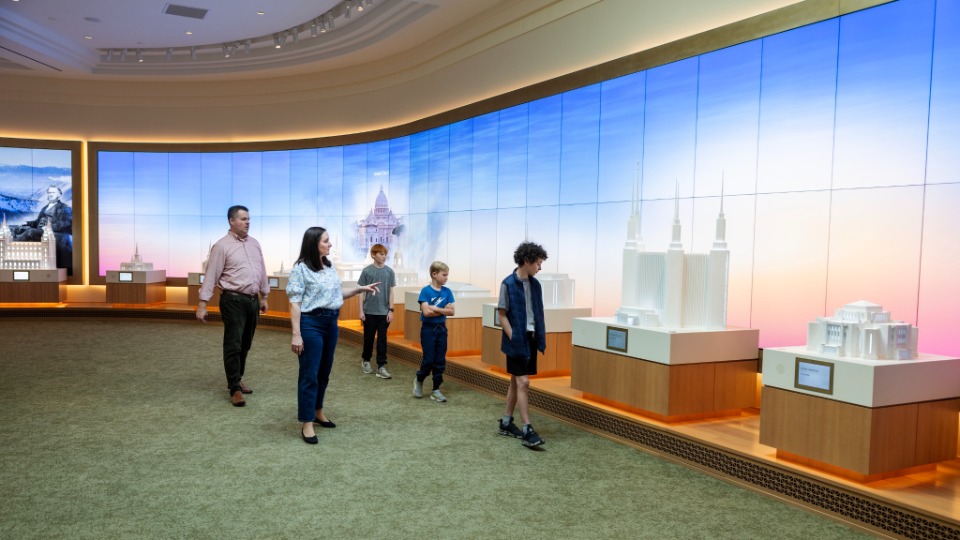
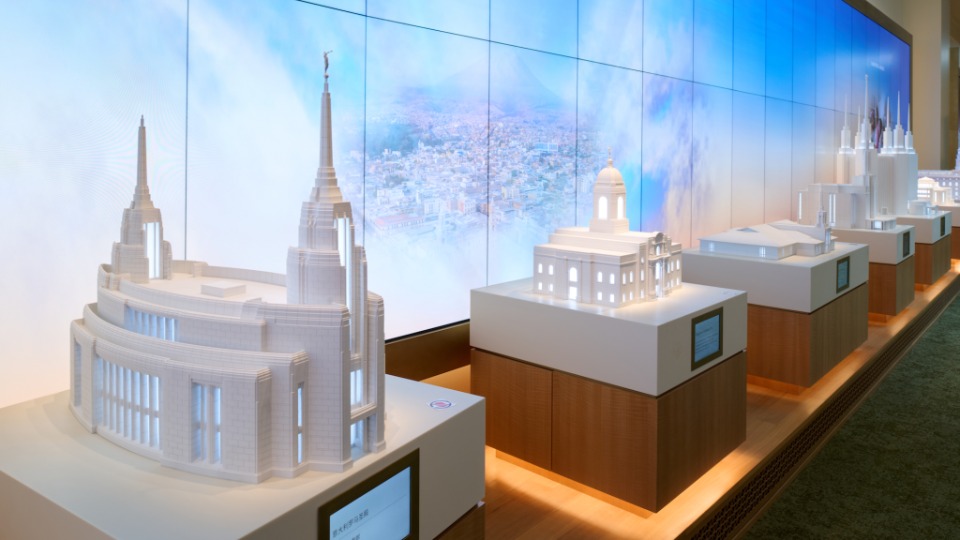
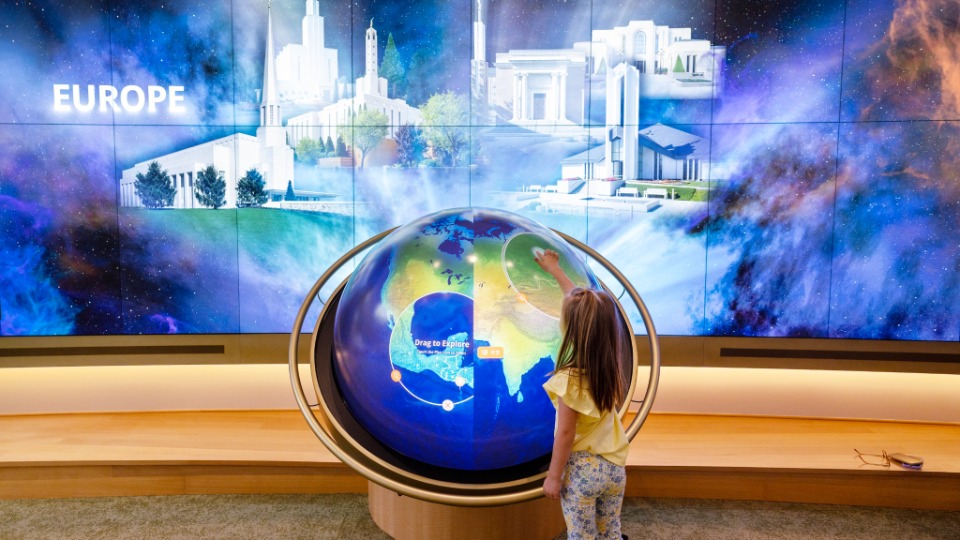
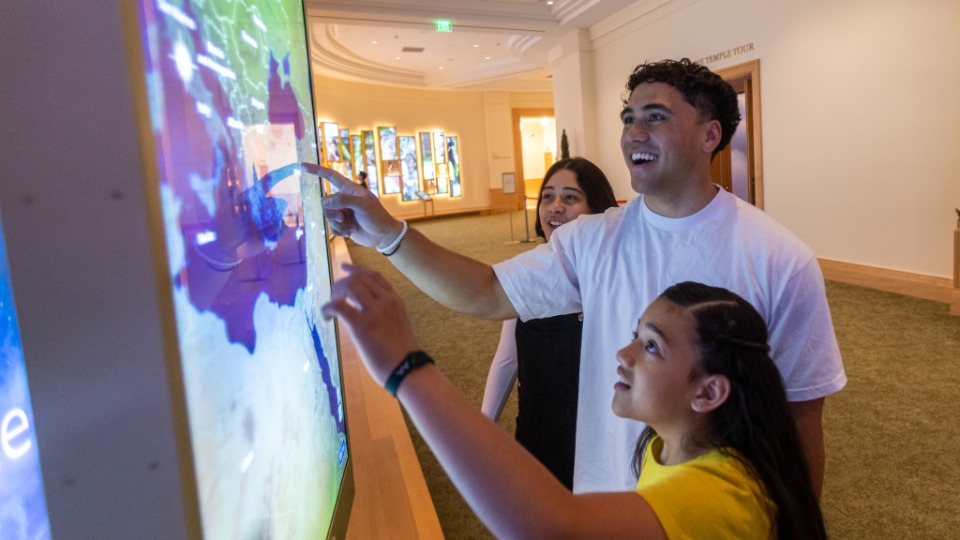
The lower level also includes scaled models of 11 temples from around the world and exhibits that explore the ties between faith, family, and Christ — spanning cultures and continents.
The “Come unto Me” statue portrays Jesus Christ extending His arm in a gesture of welcome, strength, and compassion. Commissioned for Temple Square, this sculpture reflects the Savior’s invitation for all to come to Him and find peace.
Inspired by the Savior’s words in John 15:5, the figure balances divine majesty with personal love, expressing Christ’s care for every individual.
Located on the lower level of the visitors’ center, this sculpture provides a thoughtful place to pause, reflect, and feel His invitation before or after exploring the surrounding exhibits.
Members of The Church of Jesus Christ of Latter-day Saints believe in following the Savior’s two great commandments: to love God and to love our neighbor. As part of these commandments, the Church seeks to maximize our impact, so those efforts bless not only those who receive help but also their families and communities.
Beyond the visitors’ center, guests are invited to wander through beautifully landscaped gardens where bronze statues offer glimpses into Christ’s ministry and sacred moments that have shaped faith and history. Each sculpture offers a quiet invitation to pause and reflect on stories of divine love, human devotion, and life-changing encounters with the sacred.
These peaceful garden spaces provide opportunities for contemplation, conversation, and connection — whether through quiet reflection, meaningful discussions about faith, or capturing memorable photographs among the tranquil surroundings.
The outdoor experience complements the indoor exhibits, creating a journey of discovery and spiritual exploration.
The Temple Square Visitors’ Center will be open daily from 9 a.m. to 9 p.m. (check website for holiday schedule).
Tickets: Admission to the center is free. A reservation is required for the 30-minute “Inside a Temple” tour. Reservations can be made through the Temple Square app (Apple, Android) or at TempleSquare.org. Note: Beginning June 1, tickets will be released in batches every other Monday, with reservations available up to 60 days in advance. If tickets are unavailable, we invite you to download the Temple Square app to receive notifications about future releases or to check back during an upcoming release. Reservations can be made online or through the Temple Square app.
Parking: Free parking is available at the Conference Center with validation. Parking is also available at City Creek Center (first two hours free).
Public Transit: The Temple Square TRAX station provides direct access.
Accessibility: The visitors’ center is ADA-compliant and fully accessible to all visitors.
Address: 60 W. North Temple St., Salt Lake City, UT 84150.
Architecture
The Temple Square Visitors’ Center represents a thoughtful architectural vision that honors Temple Square’s heritage while providing contemporary spaces for contemplation and learning. Designed by FFKR Architects in collaboration with Jacobsen Construction Company, the project replaced the 1978 South Visitors Center with two distinctive entrance pavilions and an expansive lower level — totaling 39,800 square feet of carefully designed space.
The visitors’ center is seismically engineered to resist severe earthquakes without base isolation. Its foundation system is separate from the historic Salt Lake Temple foundation, which includes base isolators.
Structure and Exterior Materials
The two entrance pavilions are reinforced concrete structures clad in white pearl granite from Italy. The stone was quarried on the island of Sardinia and fabricated by Campolonghi from Massa, on Italy’s west coast. The installer is IMS Masonry from Lindon, Utah.
Expansive window systems manufactured by Pilkington Glass frame stunning views of the temple and surrounding temple grounds, connecting visitors visually with the sacred landscape.
Interior Design
The main floor millwork, fabricated and installed by Fetzers Architectural Woodwork of Salt Lake City, features two distinctive wood species.
Anigre (quarter plan panel). This was sourced from tropical hardwood trees in Ghana and the Republic of Congo.
Eucalyptus red gum. Featured in darker ceiling recess panels, this hardwood is native to eastern Australia and Europe.
The wainscoting and flooring feature Calacatta Sponda marble from Italy, crafted by Campolonghi and installed by Global Stone and Tile. Custom chandeliers of polished brass with acrylic accents, fabricated by Ciana Decorative Lighting, provide elegant illumination throughout the temple rooms.
Exhibit Design
Exhibit design by THG Creative. From concept to completion, THG led the creative design and production of the visitors’ center. The center provides exhibits and experiences focused on the transformative influence of the temple and the ordinances performed inside.
Frequently Asked Questions
What is the new Temple Square Visitors’ Center?
The new Temple Square Visitors’ Center is comprised of an east wing, a west wing and a lower-level exhibit space located on the south side of Temple Square.
A natural starting point for many guests, the visitors’ center helps people of all backgrounds understand what temples are and why they matter. Here, visitors can learn about Jesus Christ, God’s plan for His children, and how temples help individuals and families draw closer to Him.
Exhibits, artwork, and presentations offer opportunities to ask questions, reflect, and discover how temple teachings connect to everyday life.
Featured in the lower level of the visitors’ center, the “Inside a Temple” tour provides a unique opportunity to see temple interiors — rooms not open to the public once a temple is dedicated. This walking tour explains what happens inside a house of the Lord and why Latter-day Saints highly value temple worship.
How do I get there and where do I park?
Temple Square Station is the closest TRAX station to Temple Square. Guests can park in the Conference Center for free with validation. Parking is also available (first two hours free) at City Creek.
Do I need a ticket or a reservation to visit?
Guests do not need a ticket to enter the visitors’ center, but they do need a ticket to experience the “Inside a Temple” tour in the lower level of the Visitors’ Center. Reservations can be made on TempleSquare.org or on the Temple Square app. Beginning June 1, tickets will be released in batches every other Monday, with reservations available up to 60 days in advance. If tickets are unavailable, we invite you to download the Temple Square app to receive notifications about future releases or to check back during an upcoming release. Reservations can be made online or through the Temple Square app.
What are the hours of operation?
The visitors’ center will be open from 9 a.m. to 9 p.m. daily except holidays. Please visit TempleSquare.org for more information on holiday schedules.
How long does it take to experience the visitors’ center?
Visitors can spend as much or as little time as they would like at the center, depending on their schedules. The tour of temple replica rooms takes approximately 30 minutes and reservations are required.
Can I see the inside of the Salt Lake Temple?
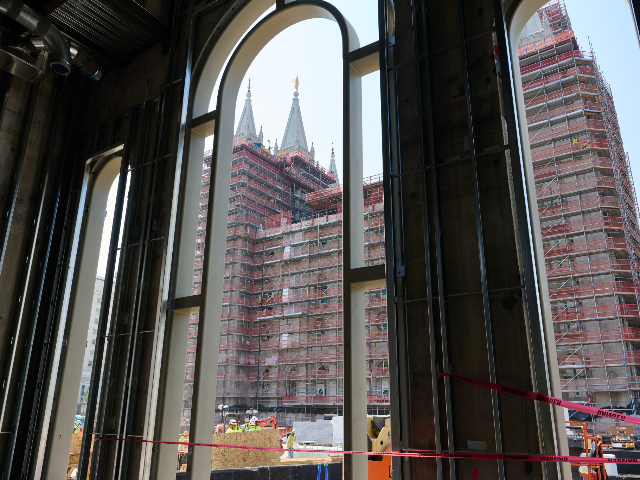
The historic temple is currently closed for renovation (scheduled to finish in 2027), but you can preview the interior by visiting the motorized scale model in the east entrance, which moves to reveal the various rooms and levels in the Salt Lake Temple.
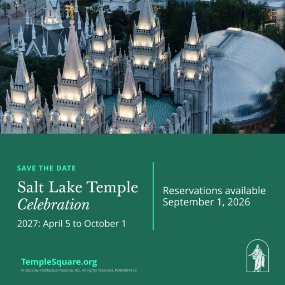
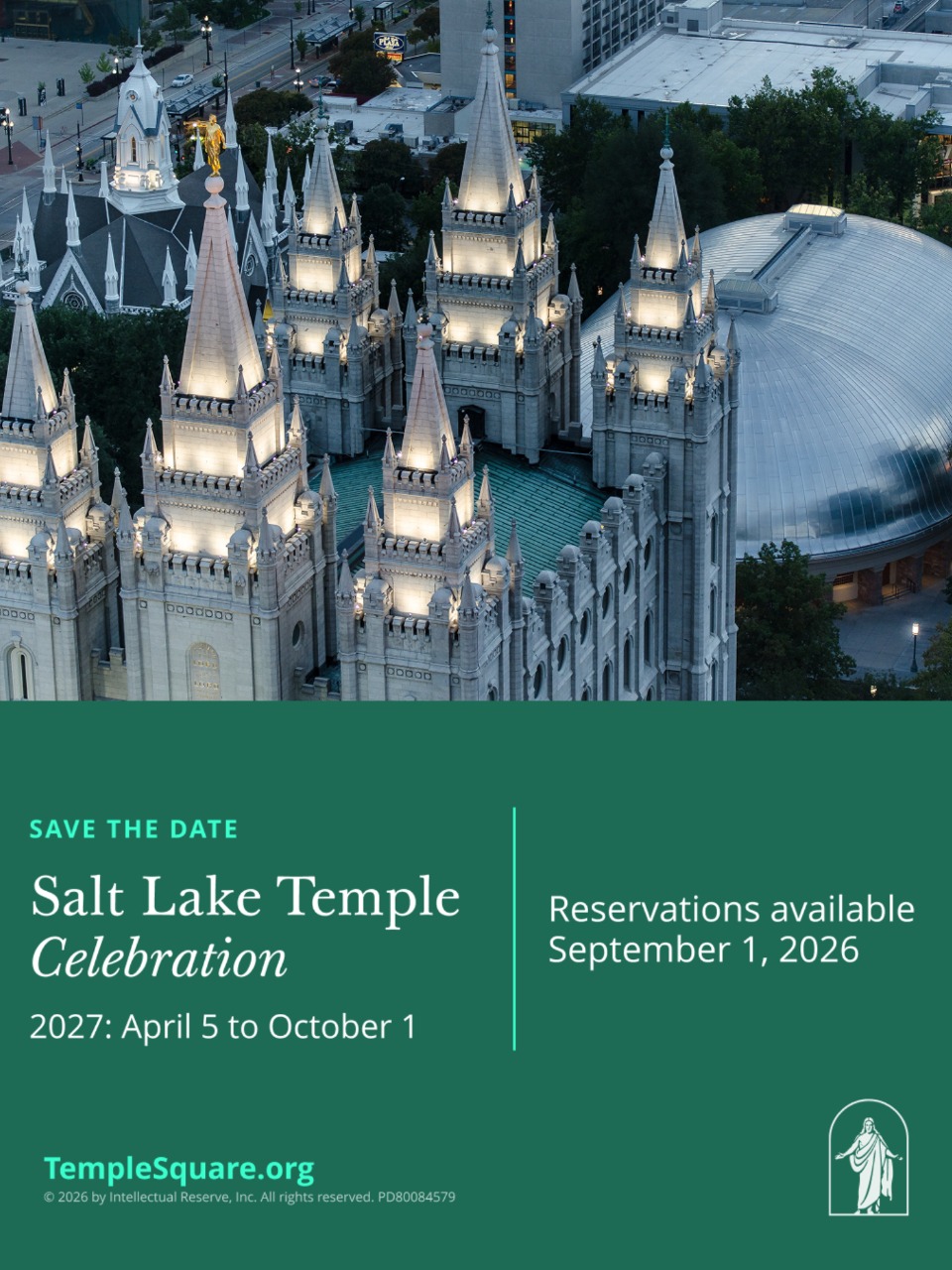
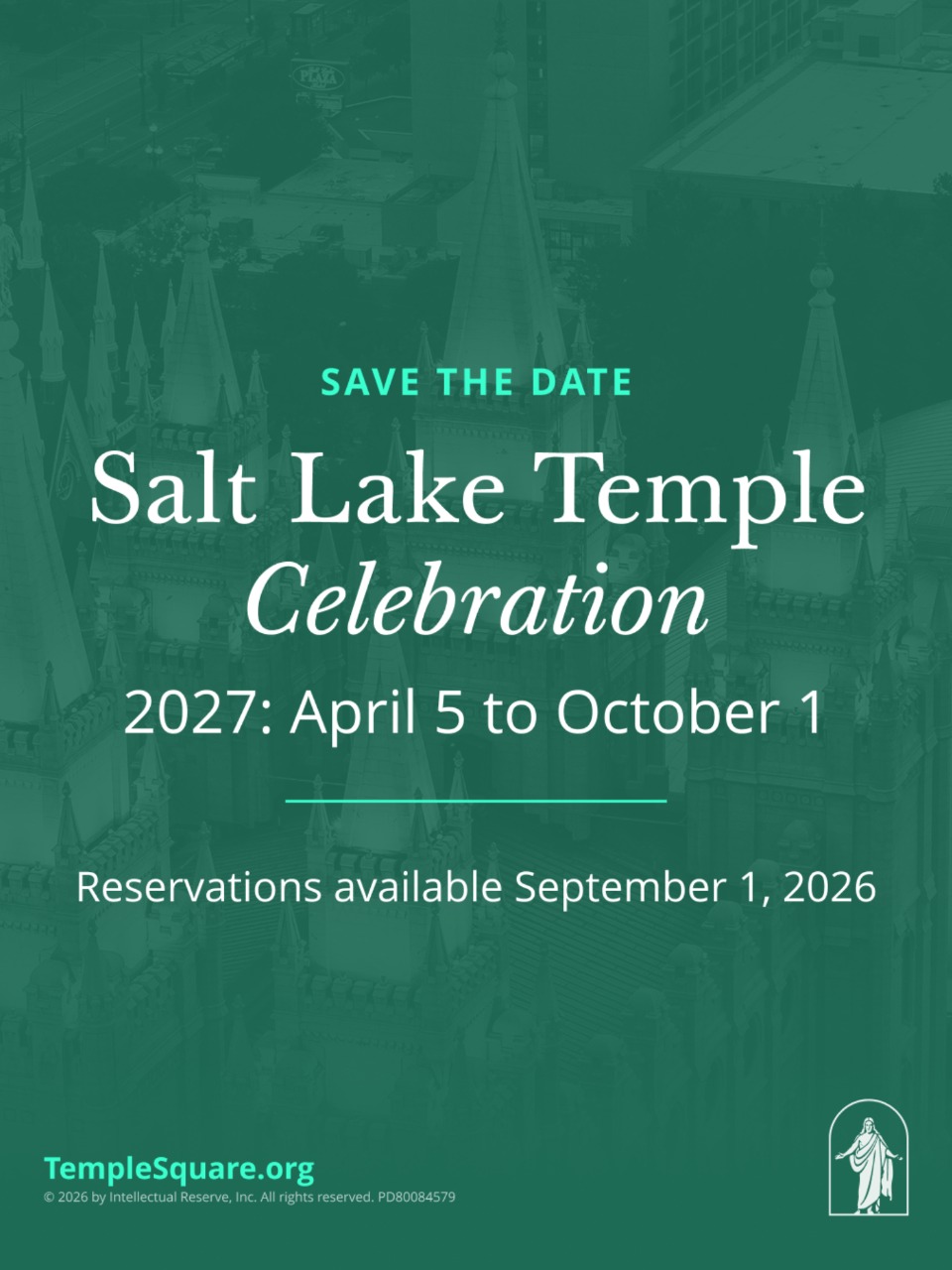
All are welcome to join in the open house celebration to tour the newly renovated Salt Lake Temple and surrounding Temple Square from April 2027 to October 2027. Reservations will be available September 1, 2026, on the Temple Square app or at TempleSquare.org.
Can members of the public see the inside of other temples?
Yes, after a temple is built or remodeled, the public is invited to an open house — typically scheduled for a period of two weeks or more before the temple is dedicated.
What is the difference between a temple and a chapel?
Temples are not places of Sunday worship for members of The Church of Jesus Christ of Latter-day Saints. They are quite different from the thousands of regular chapels or meetinghouses all over the world used for Sunday services.
Anyone, regardless of religion, may enter a Latter-day Saint meetinghouse and attend services. However, because of the sacredness of temples as houses of the Lord, only members of the Church who are in good standing are allowed to enter a temple once it is dedicated after the open house.
The Salt Lake Temple is a house of the Lord and is a sacred place where God’s children can worship Heavenly Father and Jesus Christ.
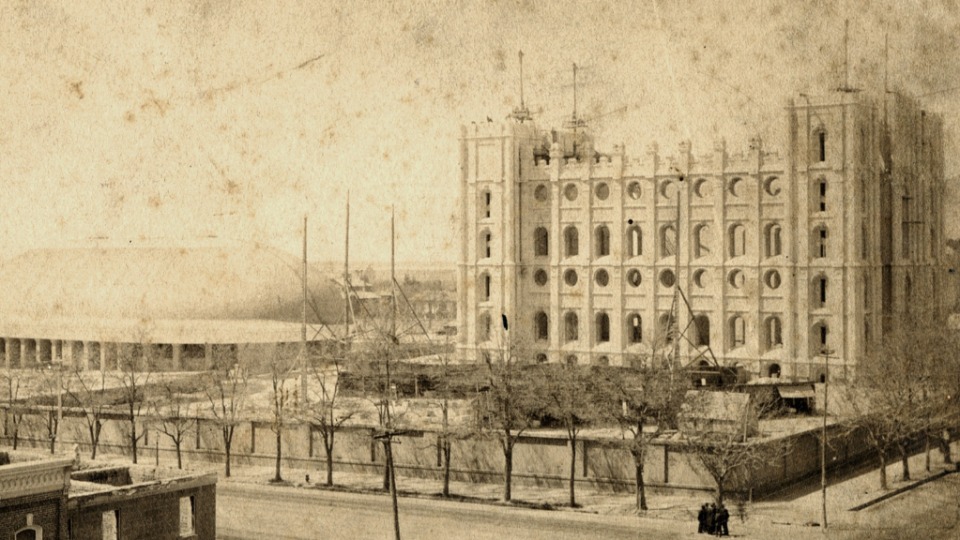
Under the guidance of Brigham Young, construction of the Salt Lake Temple began in 1853.
The construction took 40 years, and much of it was completed by hand.
The Salt Lake Temple was dedicated to the Lord in 1893.
This temple was the sixth dedicated temple of the Church.
The Salt Lake Temple stands 222 feet high and is topped with a statue of Moroni, a Book of Mormon prophet. Stone carvings on the exterior of the temple — including stars, phases of the moon, the sun, and other symbols — remind people of the importance of promises made in God’s temple in guiding His children back to Him.
In 2020, the Salt Lake Temple was closed to undergo a seismic renovation process and other upgrades.
Salt Lake Temple Entrance Buildings
Located north of the temple, these buildings will offer a place for patrons to enter the temple as well as a place for wedding guests to wait for the bride and groom.
These buildings are not yet open to the public.
Open House Celebration
A public open house celebration will take place from April 2027 to October 2027.
All are welcome to attend, and tours will be free.
After the celebration is complete, the temple will be rededicated and will no longer be open for public visitation or tours.
Visitors’ Center
Located on the south side of the temple, the visitors’ center will offer a place for guests to learn about what happens inside temples and the covenants that are made.
A “Christus” statue depicting Jesus Christ after His Resurrection is on display.
In the lower level of the visitors’ center, guests can experience the “Inside the Temple” tour, where they walk through replica rooms of a sacred temple, including a baptistry, celestial room, and sealing room.
A scaled cutaway model of the Salt Lake Temple is on display with a brief presentation.
The visitors’ center will open in Spring 2026.
Church History Museum
The Church History Museum was built in 1984 to help preserve and share the history of The Church of Jesus Christ of Latter-day Saints.
The museum houses an extensive collection of fine art and historical artifacts that tell the story of the faith and experience of Latter-day Saints from the early 1800s to the present.
The museum maintains both permanent and temporary exhibits designed as self-guided experiences.
While the entire museum is child-friendly, some exhibits are geared specifically toward children, with hands-on activities.
Conference Center
Construction began in 1997 and was completed in 2000. The 1.4-million-square-foot building features multilevel floors, terrace views of the Salt Lake Temple, and a rooftop garden. It was dedicated in 2000 by Gordon B. Hinckley, then President of the Church.
The primary purpose of the building is for Latter-day Saints to attend the semiannual general conference where messages focused on the gospel of Jesus Christ are shared.
The main auditorium is one of the largest of its kind in the world — large enough to fit a Boeing 747 airplane. The unique balcony design, supported on only one side, eliminates the need for support columns and allows for each attendee to see the pulpit from any seat in the auditorium.
The rooftop gardens are available through a guided tour, which provides a panoramic view of downtown Salt Lake City.
Salt Lake Tabernacle
The Salt Lake Tabernacle was designed for large gatherings and events for The Church of Jesus Christ of Latter-day Saints.
Construction on the Tabernacle began in 1863 and was completed in 1867.
It is home to The Tabernacle Choir at Temple Square with the iconic 11,623-pipe organ as a backdrop.
Brigham Young wanted to build the structure so speakers could be heard from a long distance. The building’s acoustics allow a pin drop to be heard from 170 feet away.
Twelve presidents of the United States have spoken from the Tabernacle’s pulpit, as well as leading suffragist Susan B. Anthony.
It is now primarily used as the home of The Tabernacle Choir and Orchestra at Temple Square for its weekly rehearsals and performances of “Music & the Spoken Word.”
Joseph Smith Memorial Building
The Joseph Smith Memorial Building was originally called the Hotel Utah and was finished in 1911.
The building operated as a hotel for more than 75 years, receiving guests from all over the globe — including international leaders and U.S. presidents.
The Hotel Utah finished its hospitality operations in 1987, and the building was then adapted for other purposes. It reopened in 1993 for office and meeting space operated by The Church of Jesus Christ ofLatter-day Saints.
It also provides space for public event hosting and dining options.
The lobby features artistic columns, comfortable gathering areas and stained glass windows overhead.
Volunteer musicians often play a grand piano in the lobby.
The 10th floor of the building offers an overlook of the Salt Lake Temple.
The building houses two restaurants: The Garden, located on the ground floor, and The Roof, located on the 10th floor.
FamilySearch Library
The FamilySearch Library is one of the largest genealogical libraries in the world.
The library is free of charge and open to the public. With hundreds of thousands of visitors to the facility each year, it is one of the top tourist destinations in Utah.
In 1894, the Genealogical Society of Utah was created for the purpose of sharing information and educating the public about genealogy. The society eventually became what is known today as FamilySearch International and is now located on Temple Square in the FamilySearch Library.
The library’s public collection includes over 1.3 million rolls of microfilmed genealogical records; 190,000 microfiche; 340,000 books, serials, and other formats; and 125,500 periodicals, which are preserved in humidity-, temperature-, and lighting-controlled environment. It also houses the names of more than 8 billion deceased people from more than 100 countries.
Church History Library
The Church History Library is the primary archive of The Church of Jesus Christ of Latter-day Saints. It is designed to collect and preserve materials about the Church, its history and its members.
On June 20, 2009, the library was dedicated by then-Church President Thomas S. Monson.
The Church History Library serves as a preservation site and research center, and houses manuscripts, journals, photos, audio and video recordings, and administrative records and histories of the Church.
It also hosts “Foundations of Faith,” an ongoing library exhibit showcasing foundational records from the Church’s history.
Relief Society Building
The Relief Society Building was built in 1956 and is the headquarters for three organizations of The Church of Jesus Christ of Latter-day Saints: the Primary (for children), the Young Women (ages 11-18), and the Relief Society (for adult women), each directed by women.
Groundbreaking for the Relief Society Building took place on October 1, 1953, and construction was completed on October 3, 1956.
The exterior of the building has decorative wheat stalks as a symbol of preparedness and plenty. Wheat storage was a major hallmark of the Relief Society efforts through the mid-1940s, as they directed distribution of the wheat to care for those in need, and the wheat stalk symbolized the unity and purpose of the Relief Society organization.
Church Office Building
The Church Office Building is home to administrative support staff.
It was completed in 1972 and is 28 stories high. Since it is used as an administrative building, it is not open to the public.
Church Administration Building
The Church Administration Building was built in 1917 and houses the offices of the First Presidency of the Church and other senior leaders.
It was constructed of the same granite as the Salt Lake Temple and Conference Center buildings. Since it is used as an administrative building, it is not open to the public.
Statues
Temple Square has a variety of statues created by local artists. By the end of 2026, there will be 14 statues on the grounds.
These sculptures visualize key moments in the life of Jesus Christ and His teachings, as well as Church history.
Flag Plaza
There are 91 flags on display at any given time, and the flags are rotated quarterly to ensure all United Nations-recognized countries are flown regularly.
The flags are one of several art installations on Temple Square symbolizing the global nature of The Church of Jesus Christ of Latter-day Saints, its commitment to be a friend to all nations, and the belief that the gospel of Jesus Christ will grow to fill the earth.
The United States flag is flown year-round.
Statue Information
“The First Vision”
First-Vision-Statue
The First Vision statue on Temple Square on Friday, November 22, 2024.2024 by Intellectual Reserve, Inc. All rights reserved.Download Photo
In 1820, Joseph Smith prayed to know which church to join. God the Father and the Lord Jesus Christ appeared to him. God called Joseph by name and said, pointing to Jesus, “This is my Beloved Son. Hear Him.” Like many past prophets, Joseph spoke with the Lord face-to-face. Jesus Christ restored the fulness of His gospel through Joseph, bringing eternal joy to all God’s children.
God and Jesus Christ know us by name, will answer our prayers, and continue to communicate with us through living prophets.
Joseph Smith—History 1:16–17
“Come, Follow Me”
Temple-Square-Reno-Jan-2025-9
The "Come, Follow Me statue" is placed in the northwest quadrant of Temple Square in Salt Lake City, Utah, on December 16, 2024. 2024 by Intellectual Reserve, Inc. All rights reserved.Download Photo
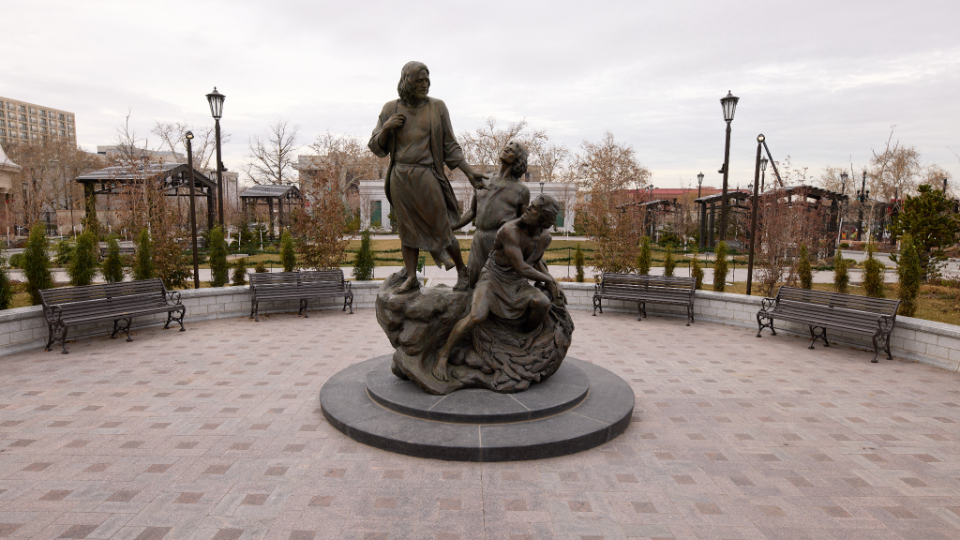
As Jesus Christ walked the shores of the Sea of Galilee, He saw Peter and Andrew washing their nets after fishing all night without a catch. He instructed them to cast their nets back into the sea, and they were amazed when their nets filled with fish. Jesus said, “Follow me, and I will make you fishers of men.” At once, Peter and Andrew left their nets to follow Him.
Following Jesus Christ changed their lives and brought them great joy. Christ extends this same invitation to all of us to follow Him.
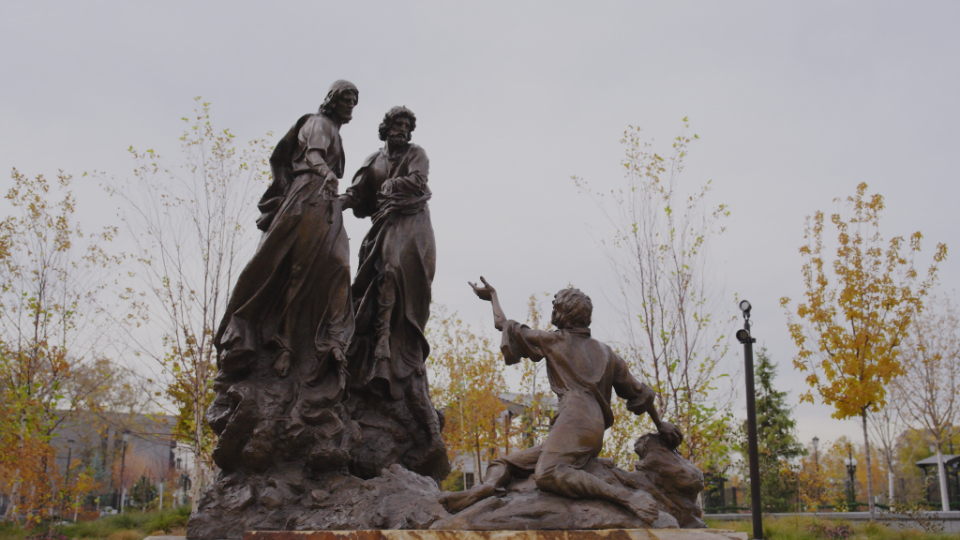
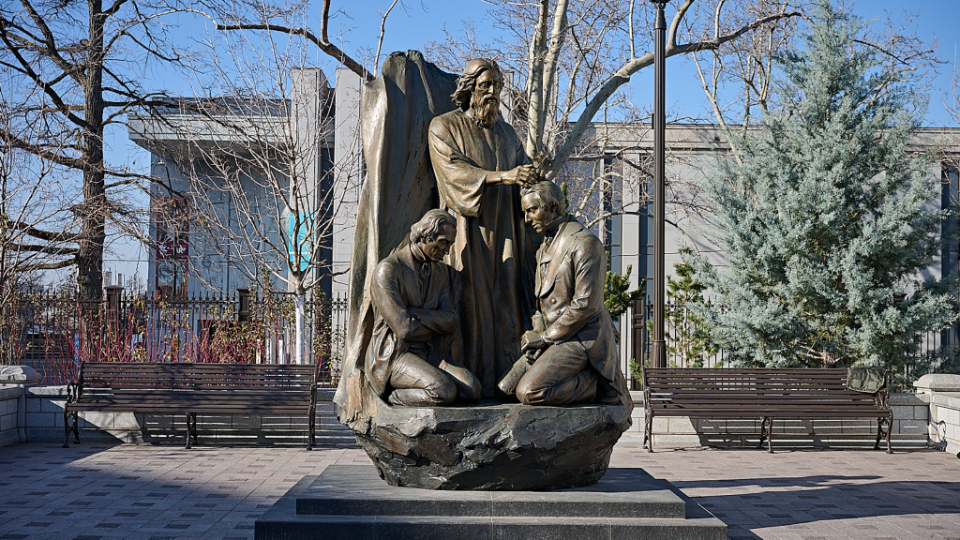
Two monuments stand near each other depicting the restoration of the Aaronic and Melchizedek Priesthoods. The Aaronic Priesthood was restored to the earth when it was given to Joseph Smith and Oliver Cowdery on May 15, 1829, by John the Baptist.
The Melchizedek Priesthood was restored in 1829 when the Apostles Peter, James, and John conferred it upon Joseph Smith and Oliver Cowdery.
“Joseph Smith Receives the Plates”
Temple-Square-Reno-Update-April-2025-18
“Joseph Smith Receives the Plates,” created by Leroy Transfield, on Temple Square in Salt Lake City, Utah, on Saturday, April 5, 2025.2025 by Intellectual Reserve, Inc. All rights reserved.Download Photo
In 1823, Joseph Smith was visited by a heavenly messenger named Moroni, who told Joseph that God had a work for him to do. Moroni told him of a record hidden nearby that contained the writings of prophets in the ancient Americas. The writings taught the fulness of the gospel of Jesus Christ. Joseph was tasked with translating the record by the gift and power of God.
Today, this record is known as the Book of Mormon: Another Testament of Jesus Christ.
Joseph History 1:33–34
“Five Wise Virgins”
Five-Wise-Virgins-Statue
Sun shines on the new "Five Wise Virgins" statue on Temple Square in Salt Lake City, Utah, on Wednesday, April 2, 2025. 2025 by Intellectual Reserve, Inc. All rights reserved.Download Photo
Jesus Christ told a parable, or story, of 10 women waiting to attend a wedding. Five were wise and brought oil to light their lamps, but the other five did not bring oil. The host was delayed. Those who were prepared had oil to light their lamps during the night as they waited. The other five left to purchase oil. When they returned, they were too late for the wedding.
This story teaches the importance of spiritual preparation. Our efforts to strengthen our faith in Jesus Christ keep oil in our lamps.
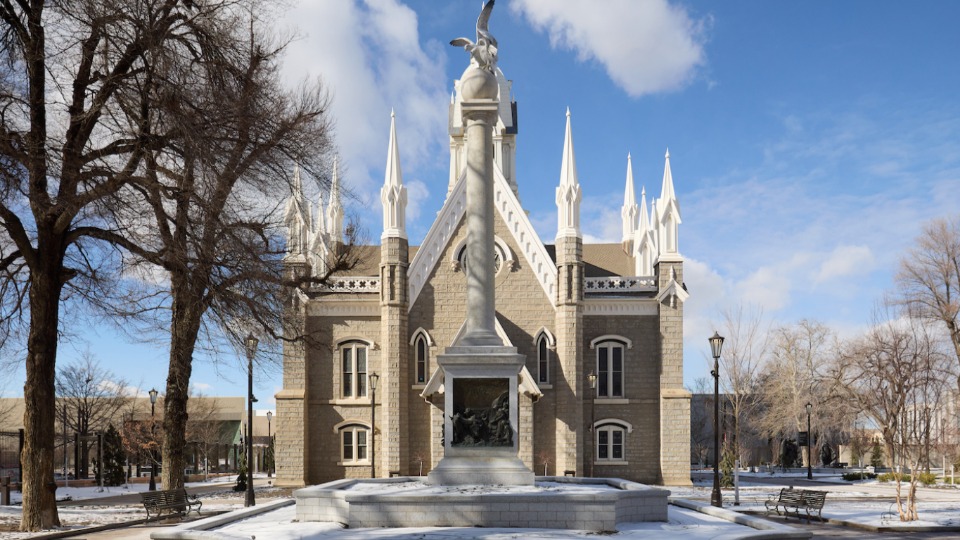
After the Saints arrived in the Salt Lake Valley in 1847, the first spring planting season brought drought, late frosts, and an insect migration that destroyed crops and threatened their survival. In their exhaustion and despair, the Saints prayed for divine help, which they observed in the seasonal arrival of California gulls who brought hope and mitigated the disaster.
“Jesus Christ in Gethsemane”
TSQ-Christ-Statue-13
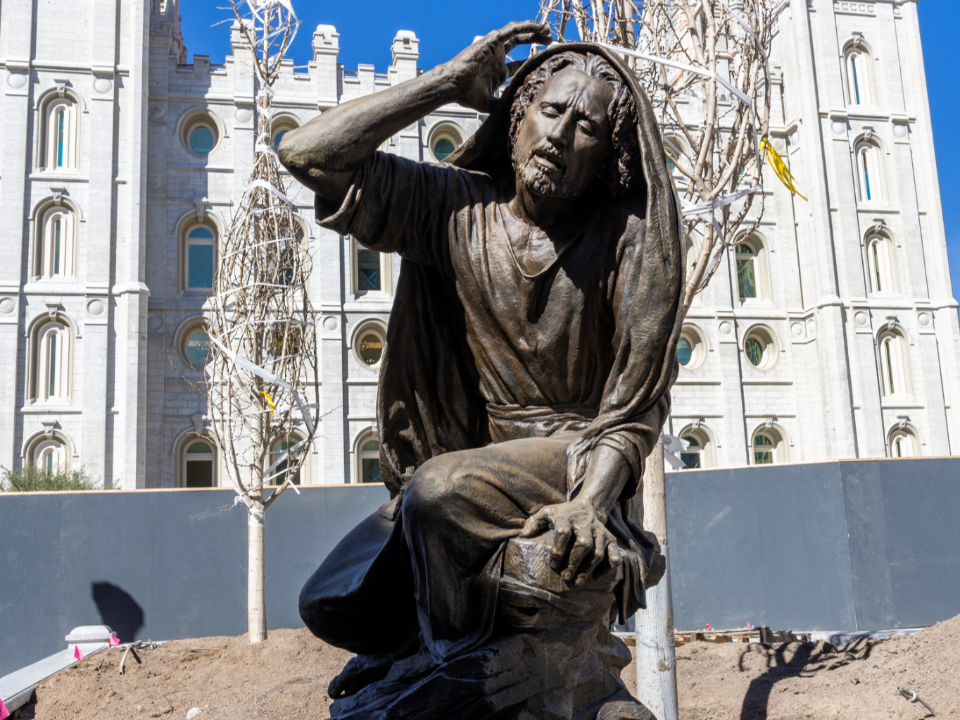
The “Jesus Christ in Gethsemane” statue, created by husband-and-wife duo Stefanie and Roger Hunt, debuts just south of the Salt Lake Temple on Tuesday, March 24, 2026.2026 by Intellectual Reserve, Inc. All rights reserved.Download Photo
The night before His death, Jesus Christ endured great suffering. In a garden called Gethsemane, He took upon Himself the burden of the world’s sins. He also bore the pain, sickness, and sorrow of humanity. He willingly suffered to fulfill God’s plan to save us from sin and death.
In Gethsemane, Jesus Christ showed His pure love for us and His willingness to follow God’s plan.
Luke 22:42–44; John 18:1–27; Doctrine and Covenants 19:16–19
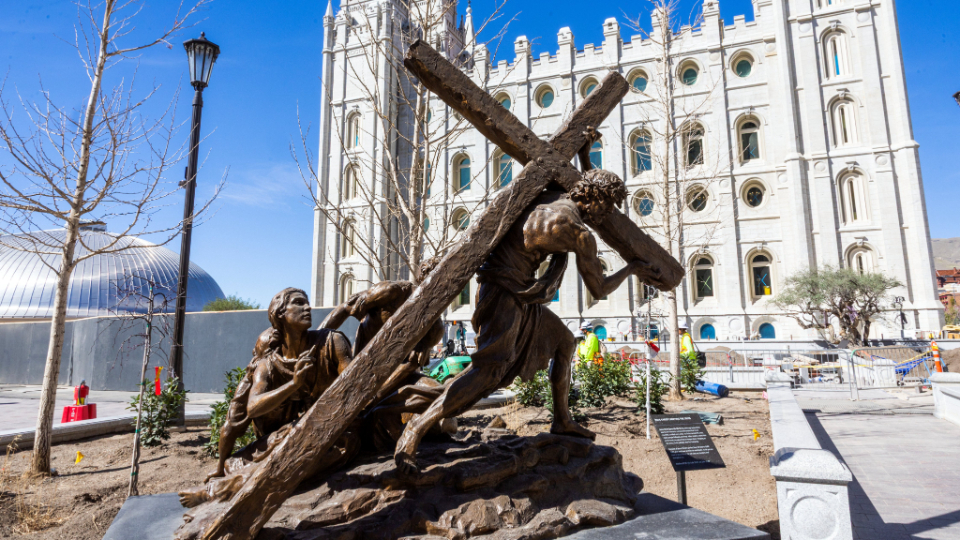
"Jesus Christ Carrying the Cross”
TSQ-Christ-Statue-12
The “Jesus Christ Carrying the Cross” statue, created by Michael Hall, debuts just south of the Salt Lake Temple on Tuesday, March 24, 2026.2026 by Intellectual Reserve, Inc. All rights reserved.Download Photo
Although Jesus Christ was found innocent by the Roman governor, a crowd demanded that He be crucified, or killed on a cross. Soldiers whipped Him, mocked Him, and sent Him to die. As Christ carried His cross, many people followed and wept. After soldiers nailed Him to the cross, He asked God to forgive them. Hanging on the cross, Christ said, “It is finished” and then willingly died for humanity.
Because of Jesus Christ’s perfect love, He died to fulfill God’s plan and save us from sin and death.
Matthew 27:29–32; Luke 23:27, 34; John 19:30
“Restoration of the Sealing Keys”
Temple-Square-Reno-Update-January-2026-8
The “Restoration of the Sealing Keys” statue is installed on the northwest quadrant of Temple Square in Salt Lake City, Utah, on Thursday, January 15, 2026.2026 by Intellectual Reserve, Inc. All rights reserved.Download Photo
In the Old Testament, the Lord gave the prophet Elijah special authority called the sealing power. What Elijah bound on earth would be bound in heaven. On April 3, 1836, Elijah came to Joseph Smith and Oliver Cowdery, giving them this same sealing power. That power means that marriage, family relationships and other blessings can last forever.
Today, this power and authority are used in temples to seal marriages and families together forever.
Style Guide Note:When reporting about The Church of Jesus Christ of Latter-day Saints, please use the complete name of the Church in the first reference. For more information on the use of the name of the Church, go to our online Style Guide.
Download MediaClose
To download media files, please first review and agree to the Terms of Use. Download a photo or video by clicking or tapping on it. To download all photos or videos related to this article, select the links at the bottom of each section.
 Download Photo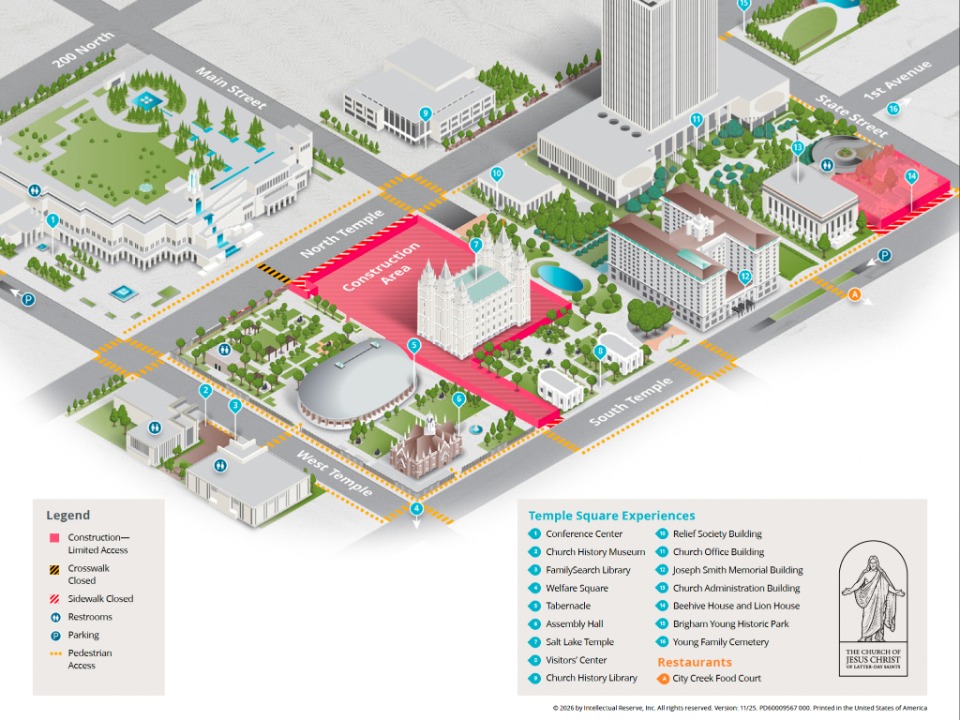
 Download Photo
 Download Photo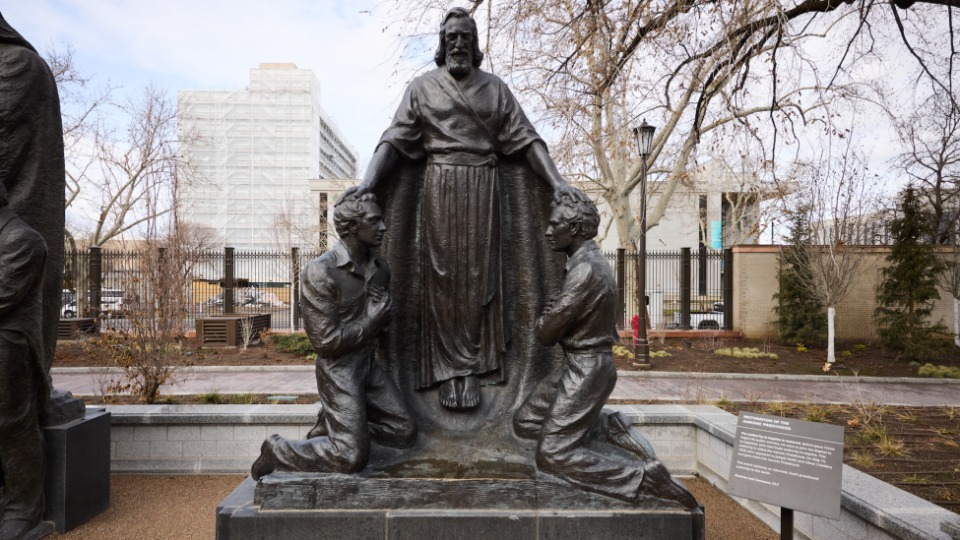
.jpeg) Download Photo
Download Photo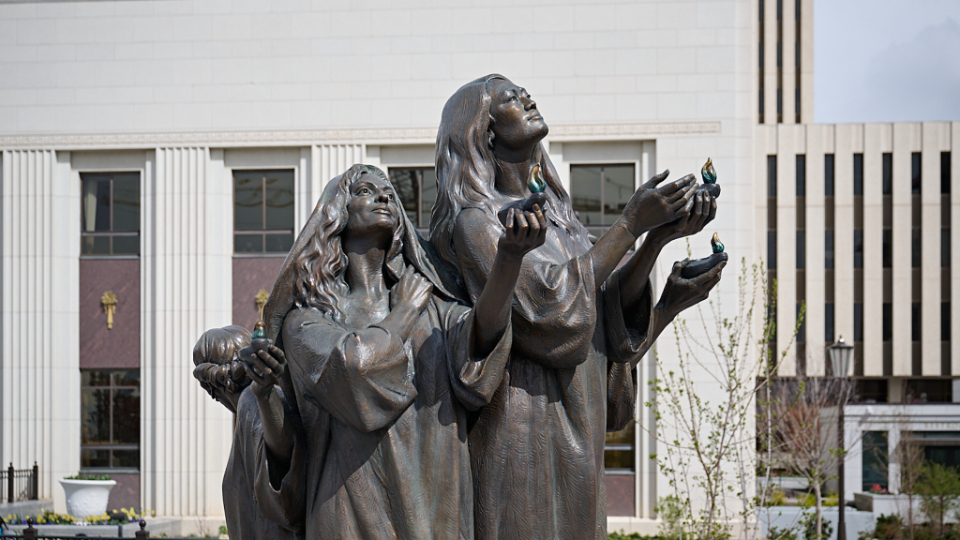 Download Photo
 Download Photo
 Download Photo
 Download Photo
 Download Photo